Hiring a Factory Canteen Dishwashing Team: A Between-Rounds Blueprint and TOR Checklist
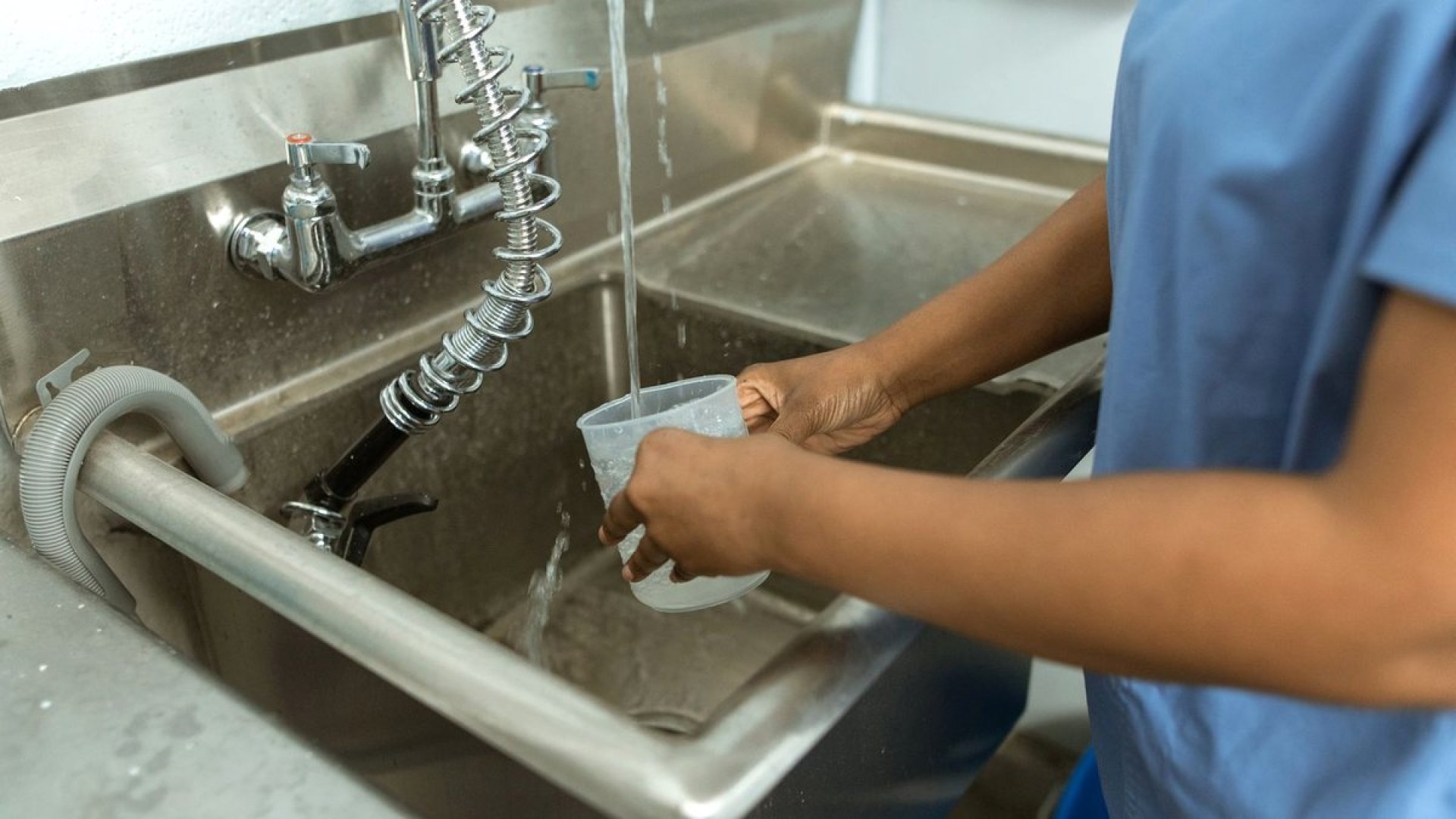
The first lunch round has just ended, compartment trays are piling up at the return point, and the next round is already walking in. Many factories handle this by pulling staff from other departments or asking housekeepers to help, which usually ends with wet trays, grease in the tray corners and people leaving their own work behind. This article is for HR, procurement and facility managers who are thinking about hiring a factory canteen dishwashing team. It sets out a blueprint for washing between meal rounds: how trays should flow, how to separate dirty and clean zones, how to plan for several break rounds, and what to put in the TOR.
We work inside factories every day through canteen management, and we offer an industrial dishwashing service that sends a team into the factory canteen to wash tableware, using the sinks or dishwashing equipment the factory already has.
Short answer
Dishwashing outsourcing works when you start from the meal-round rhythm, not from headcount. The TOR should state how many break rounds there are, what tableware is used, where the return point, washing area and clean storage are, which of the factory's washing equipment is used, who supplies detergents, and how the work will be inspected. Then ask contractors to propose staffing after a site survey.
Key takeaways
- Canteen dishwashing is timed work: clean trays must reach the serving line before the next round starts.
- Separate dirty and clean zones so tableware moves one way and never doubles back.
- Stainless compartment trays have corners and folds where residue sticks, so they need their own check.
- The TOR should say clearly that the washing equipment belongs to the factory, and who supplies detergents and consumables.
Why do factories separate dishwashing from housekeeping and kitchen work?
Because dishwashing follows the clock of the break rounds, not the floor plan. Housekeepers clean general areas on a schedule, and kitchen staff need to stay at the stoves and serving line. If either group also washes dishes, the moment tableware floods back is exactly when both are busiest.
With a dedicated dishwashing team, housekeepers look after floors and washrooms, the kitchen looks after food, and the dish team looks after tableware from the return point back to the serving line. If you already use an outside provider for factory housekeeping, dishwashing can sit under the same arrangement, but write the two scopes separately.
In what order should washing flow between meal rounds?
Tableware should move one way, from the return point to clean storage, through the same steps every time. This sequence works for most factory canteens:
- Return point. Staff leave trays, drop cutlery into a soaking basket and put cups where indicated.
- Scrape and sort food waste. Empty food waste into the bins the factory specifies before anything goes into the sink. Our article on food waste management for factory canteens covers sorting stations.
- Pre-rinse. Spray or soak so residue loosens and the main wash stays clean longer.
- Wash with detergent in the factory's sinks or dishwashing equipment, using the agreed method.
- Rinse and sanitise (if the factory requires it), using the method and products agreed in the scope.
- Air-dry on racks so water drains off. Do not stack trays while they are wet.
- Store and send back to the serving line, counting enough for the next round.
Put this sequence in the TOR with a site plan, so every contractor quotes on the same basis.
How should dirty and clean zones be separated?
Dirty and clean tableware should never cross paths or share racks and baskets. You do not need a separate room, but you do need a dividing line everyone recognises.
| Zone | What happens here | What the TOR should say |
|---|---|---|
| Return zone | Trays come back, food waste is scraped, cutlery soaks | Who clears trays from tables, who handles the food waste bins, and when the return point must be cleared in each round |
| Wash zone | Pre-rinse, wash, rinse | Which factory sinks or equipment are used, who reports breakdowns, and who supplies detergents |
| Clean zone | Drying, storage, return to the serving line | Where clean racks are, that dirty items are not allowed there, and that trays must be ready before the next round |
For wider kitchen hygiene such as handwashing and food storage, use this alongside our canteen daily food safety checklist.

How should a dish team plan for several lunch rounds?
Plan from the tableware that circulates per round, not from total diners per day. If you have just enough trays for one round, every tray must be washed and dry before the next round arrives, and that is where the work usually breaks down.
- Give the start and end time of every break round for every shift.
- Count the trays, bowls, cups and cutlery you actually have, after setting damaged items aside.
- Agree when the dish team should collect trays from tables if the return point fills up.
Washing that keeps up with the rounds also keeps the serving line moving. If queues are your problem, see our guide to reducing canteen lunch queues.
How are stainless compartment trays different from ordinary plates?
Stainless compartment trays have corners, folded edges and a surface that shows water marks, so they need a closer check than round plates. Write these steps into the method:
- Empty every compartment before soaking, especially the curry and rice compartments where residue dries fast.
- Dry trays upright or with gaps so water runs off, and never stack wet trays.
- Take dented, bent or cracked trays out of circulation and tell the factory coordinator.
- If the factory already has a tray washing machine, state in the TOR who operates it, who cleans it after each round and who reports faults.
What should a TOR for a factory dishwashing team include?
A good TOR answers what is washed, when, where, with what, by whom, and how it is checked. Use this table as a frame:
| Section | What to state |
|---|---|
| Tableware in scope | Compartment trays, plates, bowls, cups, cutlery, serving containers, and what is excluded, such as large pots or kitchen cooking equipment |
| Meal rounds and times | Break rounds for every shift, working days, holidays and overtime rounds |
| Site plan | Return point, wash zone, clean zone, food waste points and the routes between them |
| Factory equipment | Existing sinks, dishwashing or tray washing equipment, racks and baskets, and who reports repairs |
| Detergents and consumables | Who supplies them, which products the factory allows, and a storage point away from food |
| Staffing and relief | Ask contractors to propose staff per round with reasons, relief cover for leave, and a supervisor |
| Inspection criteria | What is checked, how often, by whom, and how corrections are raised |
| Out of scope | Kitchen deep cleaning such as hoods or grease traps, floors outside the wash zone, and equipment repair |
Kitchen deep cleaning is a different job from daily tableware washing. If you need to plan that too, read our guide to canteen kitchen deep cleaning.
What criteria should you use to accept dishwashing work?
Use criteria you can check on the spot, tied to the timing of each break round. Practical examples:
- Pick trays and cutlery at random from the clean zone: no food residue, grease or detergent film when you look and touch.
- Tableware sent to the serving line is dry, has no stale smell and is ready before the round starts.
- The return point is cleared before the next round, at the agreed time.
- After the last round, sinks, the wash-zone floor and drain grates are clean with no leftover scraps.
How does TJ Favor handle canteen dishwashing?
We send a team to wash plates, compartment trays, cutlery and other tableware around each meal round, working with the washing equipment your canteen already has, such as sinks or a dishwashing machine. We survey the site first, then agree rounds, headcount and each side's responsibilities in writing with a quotation. An on-site supervisor oversees the work and arranges relief staff when someone is on leave.
- Start date, team size per round, night shifts, who supplies detergents and consumables, and lead time: please ask.
- On working hours, we can cover every shift your factory sets (please ask).
- It can be combined with our staff canteen catering or factory housekeeping in one scope discussion. For factories in Rayong and Chonburi, you can also ask about our factory minimart service.
- For a one-off company event rather than a daily canteen, see catering equipment rental instead.
See the scope and steps on our industrial dishwashing service for factory canteens page, or read more about us.
Frequently asked questions
How is hiring a dishwashing team different from hiring housekeepers?
Housekeepers clean general areas on a schedule. A dishwashing team washes and stores canteen tableware around meal rounds. The two can be combined if the scopes are written separately.
Does TJ Favor supply dishwashing machines or detergents?
This service places a team on site to wash dishes, using the sinks or dishwashing machine your canteen already has. For machines, detergents and consumables, please ask when we agree the scope on LINE @tjfavor.
What does a factory canteen dishwasher do?
Typical duties are collecting tableware from return points, scraping food waste, washing plates, compartment trays, bowls, cups and cutlery around meal rounds, storing clean items for the next round and keeping the washing area clean. Details are agreed before work starts.
Should the TOR state the number of dishwashing staff?
Not necessarily. State the break rounds, diners per round, tableware type and inspection criteria, then let contractors propose headcount with reasons after a site survey. Team size per round: please ask.
Do you cover night shifts, and how soon can you start?
Please ask. Send your night-shift break times and preferred start date with your canteen details. We can cover every shift your factory sets (please ask).
Related articles
- Canteen kitchen deep cleaning
- Canteen daily food safety checklist
- Food waste management for factory canteens
Tableware not ready in time for the next break?
Send us diners per meal, break times per shift, tableware type and your factory location on LINE. We will arrange a site survey and send a dishwashing scope with a quotation.
Chat with TJ Favor on LINE Call 063-878-8169
LINE: @tjfavor · Call 063-878-8169 / 087-746-0044 / 096-949-6622 (phone hours MondayFriday 9:0018:00)