Canteen Kitchen Deep Cleaning: A Guide for Facility, HR and Procurement Teams
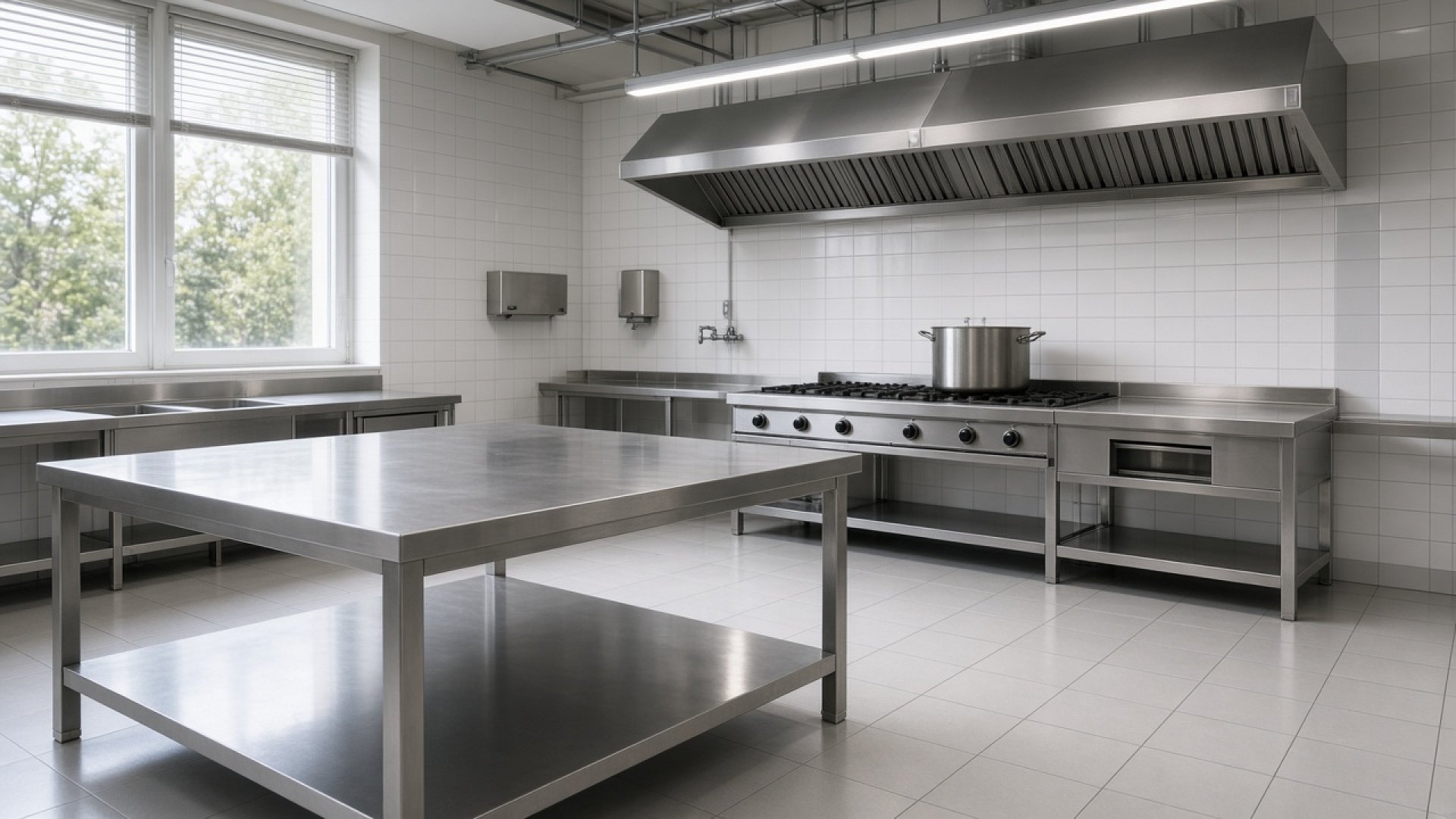
Key takeaways
- Canteen kitchen deep cleaning means scheduled deep cleaning of the kitchen facility—floors, walls, hoods, drains and cold rooms—not daily wipe-downs alone and not dishwashing.
- Map zones first: prep, cook and hood, wash-area floors and drains, cold storage, and waste staging, then write scope so bids match.
- Facility, HR and procurement should put access windows, approved chemicals, handover evidence and exclusions into the TOR.
- The TJ FAVOR GROUP website does not list kitchen deep cleaning as a main service; this article is planning guidance and the team can offer initial advice only.
A busy canteen kitchen builds grease, moisture and residue in places a daily wipe never reaches—behind ranges, in tile joints, inside hood filters and along floor drains. When facility managers, HR or procurement start talking about canteen kitchen deep cleaning, the first task is not picking a contractor name. It is clarifying scope, timing and how this work differs from dishwashing and daily sanitation. This article is general planning guidance. It is not legal advice, fire-engineering advice or an endorsement of any cleaning vendor.
How kitchen deep cleaning differs from daily wipe-downs and dishwashing
Canteen kitchen deep cleaning is periodic work on facility surfaces and hard-to-reach build-up. Daily wipe-downs cover high-touch surfaces after service. Dishwashing covers plates, trays and cookware that touch food.
Keeping the three streams separate prevents contracts from overlapping. For dishwashing context see the professional dishwashing solutions guide for canteens and food courts. For a hygiene overview see canteen hygiene practices in Thailand, and for daily checks see the canteen daily food safety checklist.
- Daily wipe-down: counters, high-touch points, main walkways, front-of-house bins and visible soil after the line closes.
- Deep cleaning: hoods and filters, walls behind cooking lines, floors and grout, accessible drains and grease traps, cold rooms, and areas that need equipment moved.
- Dishwashing: plates, bowls, trays, pots and utensils—a different workflow from facility kitchen cleaning.
If your site must separate the dish wash zone from kitchen facility cleaning, name owners, time windows and handoff points in one document so neither stream is assumed to cover the other.
Which kitchen zones belong in a deep-cleaning scope?
Zone the kitchen, then list tasks, tools and whether food production must stop. Clear zones help every bidder answer the same brief.
Prep zone
Stainless tables, shelving, hand sinks and under-counter voids collect crumbs and film that a quick wipe misses. Deep work should clear non-essential items, clean dead corners and check harbourage points.
Cook line and exhaust hood
Hood and exhaust cleaning sits at the centre of canteen kitchen deep cleaning because grease builds on canopies, filters, fans and reachable duct sections. Ask whether filters can be removed, how they are cleaned, and who owns damage if a part fails during the job.

For equipment layout context see the canteen kitchen equipment guide. Deep cleaning is not equipment repair, yet it may need facility technicians when power shut-off or machine moves are required.
Dish area floors and drains only
Even when dishwashing sits in another contract, this zone sends oil and solids into floors and drains. Deep-clean scope should cover floor soil, accessible drain covers and odour reduction—without washing the dishes themselves.
Cold rooms and refrigerated storage
Cold-room cleaning covers floors, walls, shelving, door gaskets and reachable condensate points without damaging insulation. Plan temporary product moves, follow the site temperature policy, and record before-and-after conditions.
Waste staging and back-of-house paths
Waste points soil quickly and can push odour into the kitchen. Tie deep cleaning to the thinking in factory canteen food waste management, focusing on floors, walls, bin wash points and drainage—not redesigning the whole waste system.
How to schedule deep cleaning without blocking production
Build a cadence with the canteen production calendar: daily, weekly and deep-cycle language. Prefer qualitative schedules over rigid counts copied from an article.
- Daily: wipe food-contact surrounds, clear debris, clean busy prep points and check open bins.
- Weekly: scrub cook-zone floors where machines need not move, wash removable filters per equipment guidance, and wipe walls at eye level.
- Deep cycle: hood work that needs a specialist team, cold-room cleans with product moved, accessible drains and grease traps, and grout or dead-corner work.
Sites with heavy frying often need hood cycles more often. Sites with lighter menus and weekend closure can park deep work in downtime. The facility owner of the canteen kitchen should co-own the calendar with kitchen supervisors so cleaners never enter while open food is still on the line.
Approved kitchen cleaning chemicals must be listed for stainless steel, tile and other finishes the site allows, with a clear rinse step before production restarts. Keep chemical safety sheets on site per building rules.
What facility, HR and procurement should put in the TOR
A TOR for outsourced kitchen facility cleaning should let you compare proposals on scope, not slogans. For outsourcing document structure in a canteen context see writing a canteen management outsourcing brief for HR and procurement.
- Zone map, water and power points, and areas that need escort access
- Inclusions and exclusions, clearly split from dishwashing and from mechanical maintenance
- Access windows outside production hours and who may unlock spaces
- Allowed chemicals, rinse method and wastewater rules for the building
- Tools the contractor must bring versus items the site may lend
- Handover evidence such as before-and-after photos, task lists and facility sign-off
- Process when damage, part failure or a mid-job stop occurs
- Site rules for badges, attire and contractor safety induction
HR can help message kitchen staff and diners. Procurement can force every bidder to answer the same scope so offers differ on method, not on hidden exclusions.
Questions to ask before choosing a kitchen cleaning contractor
Good questions reveal how the team works on a live canteen kitchen, not only what appears in a brochure.
- Have you cleaned canteen or similar commercial kitchens, and how do you describe the hood process step by step?
- Who supervises on site, and what happens if a crew member is absent?
- Which chemicals do you use on stainless, tile and cold-room gaskets, and what documents do you provide?
- Will power, gas shut-off or machine moves be required, and who coordinates site technicians?
- How long do similar kitchens usually take, and can work run outside production hours?
- What liability cover for site property is described in the contract language?
- How is handover evidence delivered, and is there a joint walkthrough with facility staff?
- If a blocked drain or stubborn soil needs a special method, how do you request approval for extra work?
You do not need a single fixed number from this article. You do need a time window and conditions you can write into the agreement.
In-house teams versus outsourcing
Either model can work. Choice depends on labour, tools and how often deep cycles are needed.
| Topic | In-house team | Outsourced crew |
|---|---|---|
| Strength | Knows site rules and can adjust quickly | Brings tools and crews for hoods and hard-to-reach points |
| Limit | May lack machines or height-work clearance | Needs tight access windows and formal handover |
| Fits when | Daily and weekly work is staffed and deep cycles are rare | You want a written deep-cycle scope under contract |
| Prepare | Chemical training, shared calendars and a chemical store | TOR, access badges and a named facility receiver |
Many sites mix models: in-house staff own daily and weekly work, while hood and cold-room deep cycles use a contractor. Either way, name a facility owner for the canteen kitchen.
How deep cleaning ties to canteen management
Sound kitchen facility cleaning supports canteen operations. It does not replace food handling, receiving or front-of-house service. TJ FAVOR GROUP runs canteen management and event catering in Bangkok with more than seven years in food-service operations and multiple sites in the group. Clean-kitchen planning usually sits beside the canteen operator so calendars do not clash.
See the Thai canteen management page at canteen management services and the company page at about us (English about path not used; Thai page returns successfully).
Frequently asked questions about canteen kitchen deep cleaning
Does canteen kitchen deep cleaning include dishwashing?
Usually not. Dishwashing is a separate stream for plates, trays and utensils. Deep cleaning targets structure, hoods, floors, drains and cold rooms. Write the split into the contract so scope stays clear.
How often should a canteen cold room be deep cleaned?
It depends on door traffic, storage load and the site temperature policy. A common approach pairs light routine wiping with occasional deep cleans that move product, set jointly by facility and kitchen leads from real conditions rather than a fixed figure in an article.
Who must approve kitchen cleaning chemicals?
Facility or site safety teams usually keep an approved list. Contractors should submit products in advance, describe the rinse step before production restarts, and keep documents on site per company rules.
Does the TJ FAVOR GROUP website list this as a service?
No. tjfavor.com does not list canteen kitchen deep cleaning or kitchen facility cleaning as a main TJ FAVOR GROUP service. This article is general planning guidance only. The team can offer initial advice on canteen management and catering. For food-operations scope, please contact us directly.
How should a site start if it has never run a deep-clean cycle?
Survey zones, photograph problem points, separate the work from dishwashing, draft a short scope, send the same question set to several bidders, then trial the first cycle in a production downtime window and walk through handover with facility staff before the next cycle.
Talk to TJ FAVOR GROUP about canteen management
TJ FAVOR GROUP is a Bangkok canteen-management and catering company with more than seven years in restaurant operations. This article does not mean the team sells kitchen deep cleaning as a main service. We can offer initial advice when your organisation is organising kitchen and canteen workflows.
- LINE: @tjfavor
- Phone: 063-878-8169 / 087-746-0044 / 096-949-6622
- Website: tjfavor.com


