Factory Welfare Store Stock by Shift: A Restock, Night-Shift and Expiry Guide for HR
Key takeaways
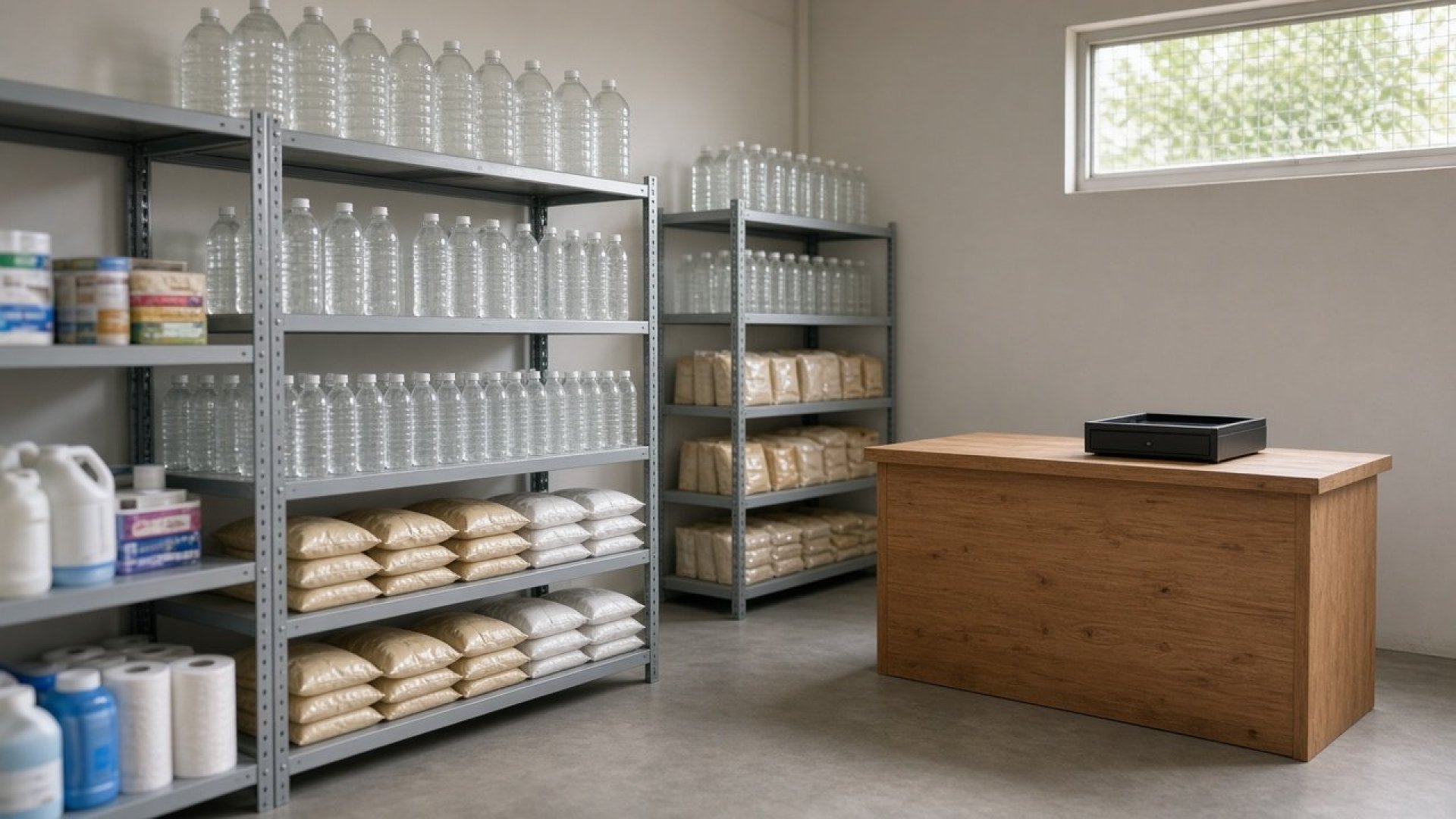
- Factory welfare store stock by shift means planning product mix, reorder points and restock timing around each shift's headcount and break windows not filling every shelf the same way every day.
- Day and night demand usually differ. Night-shift ranges often focus on drinks, light snacks and carefully chilled ready-to-eat items.
- FEFO or FIFO checks at shift change, plus a short restock checklist, reduce empty shelves at break time and cut expired stock.
- HR and procurement do not need to stand at the counter, but they should ask operators about per-shift plans, records and coordination with the canteen or pantry.
A factory staff welfare shop or on-site minimart that serves every shift often faces two problems at once: empty shelves at break time, and slow movers that drift toward expiry. Managing factory welfare store stock by shift helps HR, procurement and facility teams align stock with the real shift roster. This article is general future-planning guidance only. It is not legal advice and it does not describe TJ FAVOR GROUP internal operating procedures. Please check your site policies and applicable rules.
What does factory welfare store stock by shift mean versus general minimart ops or a canteen?
Factory welfare store stock by shift is a plan that sets product targets, reorder points and restock rounds per work shift, instead of treating the shop as one long retail day. A general minimart view looks at total daily sales. A shift-based plan asks how many people take each break, which items move then, and when shelves must be ready.
A canteen cooks and serves meals. An employee welfare store sells finished goods that need daily count and expiry control. Both support staff welfare, but the stock systems differ. For a broader shop-setup overview, see the factory minimart management guide. For meal welfare across shifts, see shift-worker meal welfare.
- Welfare shop / factory minimart: shelves, chillers, goods receipt and waste write-off
- Canteen: menus, ingredients and meal service
- Shift-based stock plan: links both sides to real break windows and headcount per shift
Why do day and night demand differ?
Day shifts often buy a wider mix around the main break. Night shifts often favour drinks, light snacks and ready-to-eat items that are quick to grab in a short break. One shared stock list for the whole day usually leaves one group overstocked and another short.
| Topic | Day shift | Night shift |
|---|---|---|
| Buying moments | Main break and end of shift | Mid-shift break and changeover |
| Items that often move | Drinks, snacks, basic necessities | Cold drinks, light snacks, ready-to-eat |
| Stock risk | Leftovers after day shift ends | Empty shelves mid-night, or chilled goods left into morning |
| Extra control | Restock before the main day break | Chiller temperature and ready-to-eat rotation |
Night-shift ranges do not need many SKUs. They need items that are easy to pick and stored under the rules your organisation sets. Ready-to-eat goods need clear chill control and cut-off rules. This section is about shopping behaviour by shift only. It makes no medical or body-effect claims.
How do you build a simple per-shift stock plan?
Start with headcount per shift, break windows, fast movers and reorder points, then refine from real sales not from guesswork alone. You do not need a complex model on day one. You do need a clear day plan and a clear night plan.
- Headcount per shift: Ask HR or production for approximate people on each shift and where breaks sit on the clock.
- Break windows: Mark when the shop must be ready before start, mid-shift break and changeover.
- Fast movers: Keep a short list of items that sell often on that shift so counting and expiry checks stay manageable.
- Reorder points: Decide when to order or pull from a back store so shelves are not empty when the break starts.
- Review cadence: Revisit the plan when rosters or headcount change, and when an item stays slow for several cycles.
These principles work whether your team runs the employee welfare store in-house or an outside operator helps at the counter. Set quantities from your own site data. This article does not invent volumes or percentages.
FEFO, FIFO and expiry checks around shift changes
FIFO means first in, first out. FEFO means first expiry, first out sell the lot that expires sooner even if it arrived later. In a factory welfare store, both ideas reduce dead stock, especially for chilled and ready-to-eat lines.
- Shelf facing: Put the lot that should sell first at the front or easy-reach position; newer lots behind or below.
- Expiry rounds: Check harder at shift change, when goods move and staff have time to record write-offs.
- Near-expiry handling: Remove items from sale by your site rule, then record whether they were discarded, returned or handled another agreed way.
- Damaged goods: Swollen, leaking, badly dented or unreadable packs leave the selling area at once.
Good receiving habits reduce problems later. See canteen ingredient receiving inspection and factory canteen food-waste management. You do not need to name a POS brand only a record method your organisation can audit.
How should restock timing work around shift change?
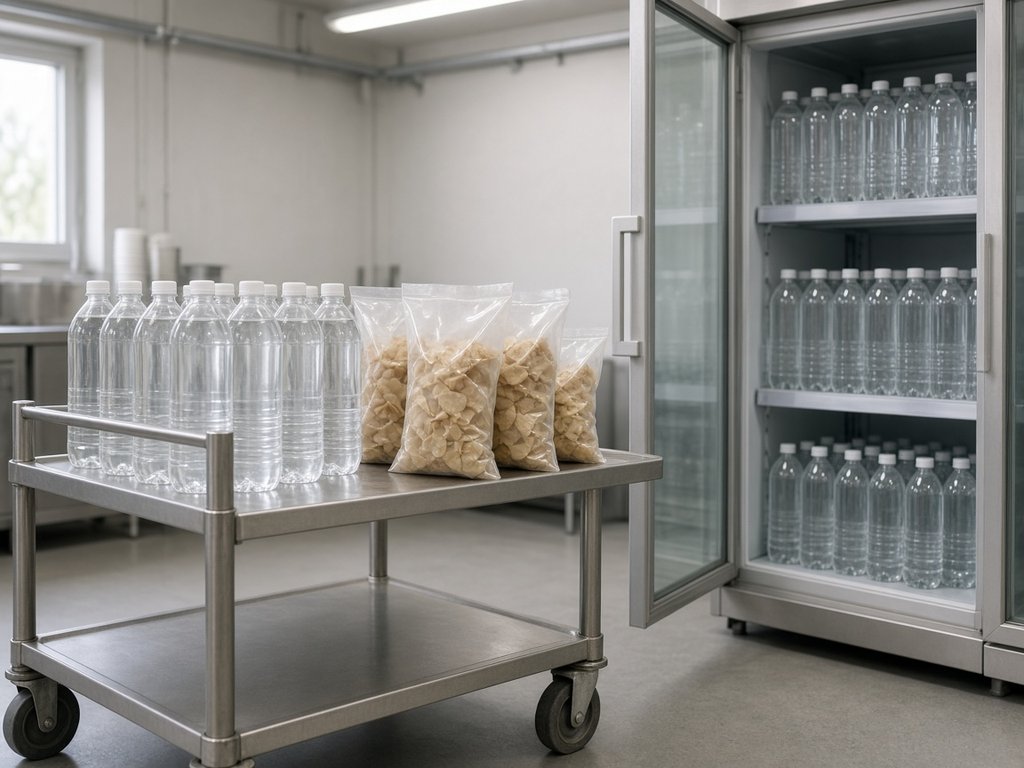
Restock before the next shift's break window do not wait until the shelf is already empty. Shift-change restock is when outgoing and incoming teams can see remaining stock and near-expiry items together.
- Check chillers and fast-moving shelves for the shift about to start
- Pull from the back store against a pre-agreed list
- Record write-offs for near-expiry or damaged goods
- Confirm ready-to-eat and cold drinks meet your site temperature rules
- Hand over open issues, such as pending returns or shelves still short
Short shift-change checklist
- Are drinks and light snacks ready before the break?
- Are ready-to-eat items faced by FEFO?
- Is any near-expiry stock due for removal today?
- Do stock and write-off records match what is on the shelf?
- Are high-touch surfaces cleaned on the agreed round?
For general hygiene checklist ideas, see the canteen daily food-safety checklist. If your site also reviews deep kitchen cleaning cycles, see canteen kitchen deep cleaning.
How should pantry, canteen leftovers and the welfare shop coordinate?
Separate roles clearly: what belongs in the canteen, what belongs in the welfare shop, and what belongs in an office pantry or drink corner. Moving leftovers between points without rules usually confuses expiry dates and stock records.
- Canteen: cooked meal service under kitchen controls
- Employee welfare store: finished retail goods under shelf and chiller stock control
- Pantry: shared office supplies or a break corner that is usually not a retail till
If your organisation allows some kitchen items to move to the shop, put temperature, time limits and named owners in writing. This is coordination guidance only. It does not mean TJ FAVOR GROUP runs both canteen and welfare shop the same way on every site. The team can offer initial advice and discuss canteen plus welfare-shop planning against your brief.
What should HR and procurement ask an operator?
Put per-shift stock plans, expiry rounds, reporting and canteen coordination into your scope talks or selection questions so you compare operators on the same basis.
- How do you separate day and night stock plans, and when do you review them?
- How do FEFO or FIFO work at shift change, and who signs the check?
- How often do we receive stock, waste and near-expiry reports?
- What data shapes the night-shift product mix?
- What happens if shelves are empty at break time or goods sit too long?
- How do canteen leftover or pantry rules stay out of the shop's stock ledger?
- Who covers the primary attendant at shift change?
These questions help you draft internal documents. They are not a finished legal form. Have the relevant teams review them before use.
Frequently asked questions
Where should factory welfare store stock by shift start?
Start with the roster, approximate headcount and real break windows. Then list fast movers per shift, set reorder points and schedule expiry checks at changeover. Expand the assortment only after the data is clear.
How different should night-shift products be from day-shift products?
You do not need a huge list. Focus on items that sell in short breaks drinks, light snacks and ready-to-eat goods your chill rules can support. Adjust from night-shift sales, not by copying the full day range.
How do FEFO and FIFO differ in a welfare shop?
FIFO follows receiving order. FEFO sells the earlier expiry first. Chilled and ready-to-eat lines often benefit most from FEFO. Both work with clear facing and a shift-change check round.
Who should own restock at shift change?
Name a primary owner and a backup who share the same checklist. The site may run this in-house or with an outside operator, but the agreement should say who restocks, who records and who reports when shelves are not ready before a break.
Does TJ FAVOR GROUP operate welfare stores or minimarts?
This article is general planning guidance. It does not describe the company's internal procedures and does not present welfare shops as a core listed service on the website. If you want to discuss canteen planning together with a staff welfare shop, the team can give initial advice against your real brief.
Contact the team
TJ FAVOR GROUP is a Bangkok-based company with more than seven years of restaurant experience, working in canteen, staff-meal and event-catering contexts described on the website. For initial advice on canteen and welfare-shop planning, see the canteen management service page (Thai), about us, or contact.
Tel 063-878-8169 / 087-746-0044 / 096-949-6622
LINE @tjfavor


