Factory Minimart Management: A Practical Guide to Stock, Payments and Opening Hours for HR and Procurement
Key takeaways
- Factory minimart management means running a staff shop so that it stocks what employees want, avoids empty shelves and expired goods, and opens when each shift has its break.
- There are eight core topics: product mix, stock rotation, stock counting, pricing policy, payment options, opening hours, hygiene, and ordering.
- HR and procurement do not need to stand behind the counter, but they should name a responsible person, ask to see stock records on a schedule, and agree in advance how returns are handled.
A small shop inside a factory has to look after products, cash, time and cleanliness all at once. Good factory minimart management lets employees shop quickly during a short break, with no dead stock and no figures that disagree with the records. This guide is general guidance, it does not describe the internal methods of any company, and it is not legal advice, so please check the rules that apply to your own factory.
What is factory minimart management, and how is it different from running a canteen?
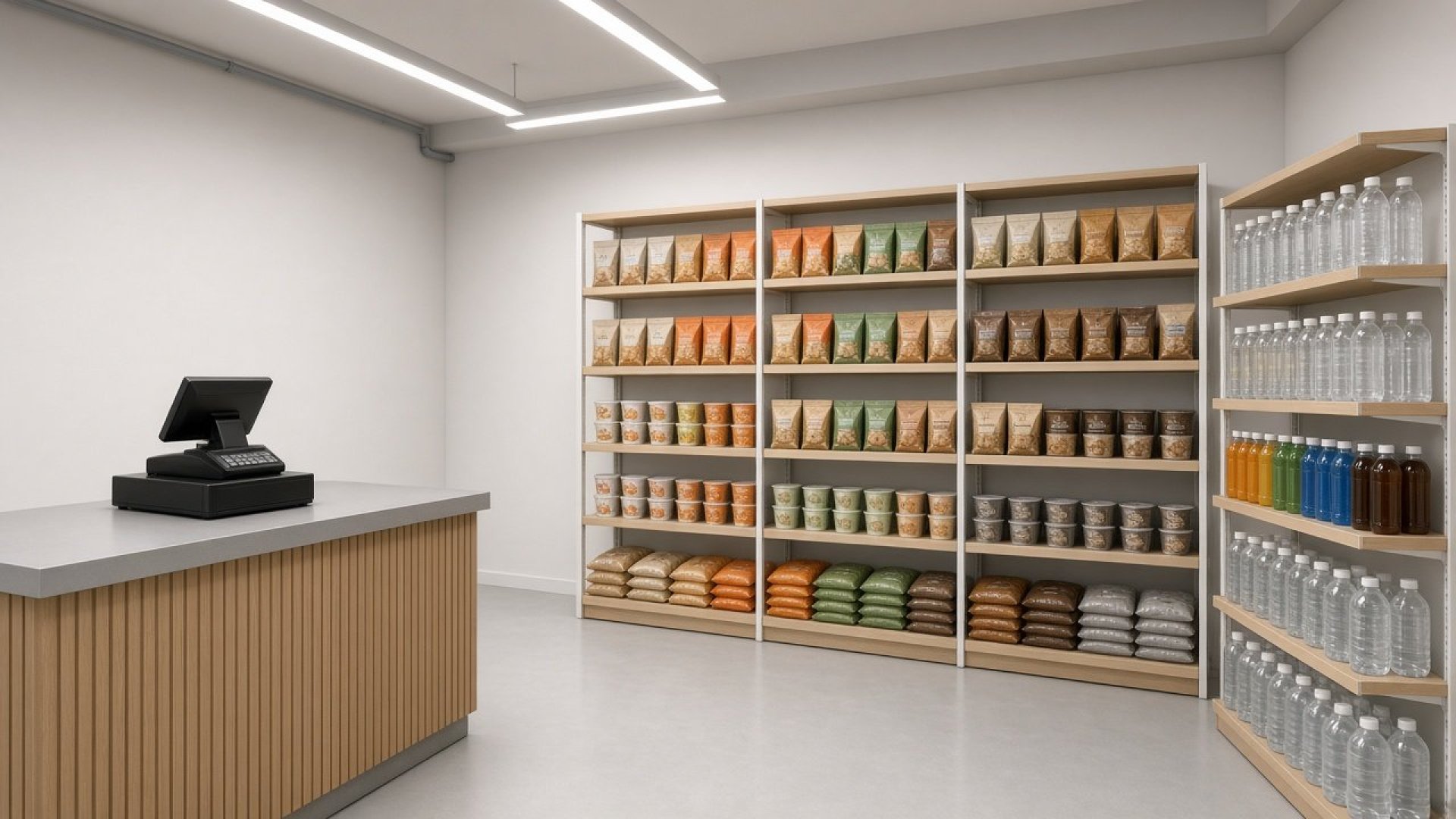
Factory minimart management is the running of a staff shop or convenience store inside a factory, from choosing products and looking after stock to taking payment and keeping the shop clean. A canteen cooks and serves meals, whereas a minimart sells packaged goods and has to track what is left every day.
A factory welfare shop, a minimart next to the canteen and an in-house convenience store usually mean the same kind of shop, and it matters to both teams.
- HR: a shop with the essentials that opens on time saves employees from leaving the site during breaks.
- Procurement: clear stock and ordering records show where goods went, which reduces disputes about missing goods or cash that does not match.
Where should you start when opening a convenience store in a factory?
Start by deciding the purpose, the person responsible and the space, before choosing any products, because these three shape the whole shop. Filling shelves before agreeing who looks after what usually causes stock and cash problems later.
- Purpose: decide whether the shop is a convenience benefit, or a shop that should cover its own costs.
- Responsibility: name the team, in-house or external, that looks after goods, cash and cleanliness, plus a deputy for absences.
- Space and equipment: pick a spot employees reach easily, with shelving, chillers, a counter, power and a clean back store.
- Records and agreement: choose how to record sales and stock to suit the size of the shop, and agree space costs, who bears losses, and the reports the organisation can ask for.
What products should a factory minimart stock?
Begin with what employees buy often during a short break, such as drinks, snacks, light bites and everyday essentials, then adjust to what actually sells. The more lines you carry, the harder expiry checks and stock counts become.
| Product group | Examples | Points to consider |
|---|---|---|
| Drinks | Bottled water, tea, ready-to-drink coffee | Enough chiller space, topped up before each shift's break |
| Snacks and light bites | Packet snacks, bread | Easy-to-grab sizes, with expiry dates checked every round |
| Ready-to-eat items | Boxed meals, cup noodles | Short shelf time, so chilling and heating must be clearly controlled |
| Everyday essentials | Tissues, socks | A small stock |
Ask employees what they need from time to time, and include options for halal and vegetarian colleagues; see halal and vegetarian options for staff for ideas. For goods whose sale is specially regulated, check the law and your organisation's policy before stocking them.
How do you rotate stock and check expiry dates so nothing sits on the shelf?
Use first-in first-out (FIFO): put new stock behind or below older stock so older items are picked first, and set a regular round for checking expiry dates.
- Set a checking round: check shelves on the agreed schedule, focusing on slow sellers and chilled items.
- Separate near-expiry goods: move them off the shelf before expiry according to your organisation's criteria, and note how they were handled.
- Never sell abnormal goods: swollen, leaking, badly dented or unreadable packs come off sale at once.
Checking goods on arrival prevents problems further down the line; see canteen ingredient receiving inspection for the receiving routine, and managing food waste in a factory canteen for ways to cut waste.
How do you check minimart stock and reduce shrinkage?
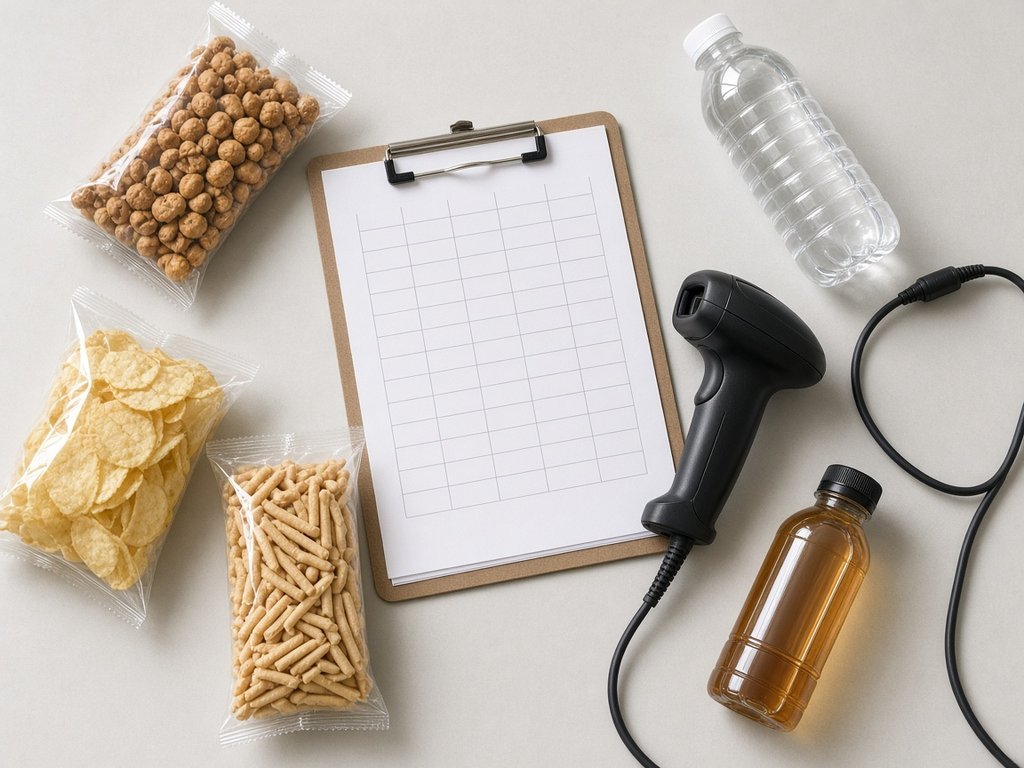
Count real stock on a schedule, compare it with the record or system, and find the cause of every difference. Shrinkage usually comes from wrong change, a sale that was not recorded, expired goods that were never written off, or a delivery that was miscounted.
- Rotating group counts: count product groups in turn on a routine basis, so the shop does not close for long, and run a full shop count periodically as the organisation sets.
- Where possible, have the person who counts differ from the person who records sales, so each acts as a check on the other.
- Record the reason for each difference, such as expired, damaged, wrong change or cause not found, and send a trend summary to the organisation on a schedule.
- Limit access to the back store and log withdrawals.
How should you set pricing policy for a staff shop?
Agree the pricing principle in writing from the start, deciding whether the shop is a welfare benefit or must recycle its costs, and apply the same rule to every product.
- Update shelf labels when costs change, and make sure labels match what the till charges.
- Define how near-expiry goods are handled, for example transparent markdowns or withdrawal, and tell the responsible person each time.
What payment, cashless and staff-card options are available?
Common options are cash, QR code payment, e-wallet apps and a staff card tied to a company system, chosen to suit the size of the shop and the organisation's readiness.
- Cash: keep change ready, and define how cash is counted and handed over at every shift.
- QR code and e-wallets: less cash to handle, but incoming payments need to be reconciled with sales on a schedule.
- Staff card or internal credit: consult accounting, legal advice and organisation policy first, and protect employees' personal data.
How should opening hours fit around shifts?
Open to cover the time before a shift, the break and the end of the shift, based on the factory's real shift schedule.
- Fill the shelves and chillers before each shift's break begins.
- Add a person or a till during shift changes; see managing the canteen lunch rush for queue ideas.
- If there is a night shift, decide whether to open or to offer a vending point instead.
What hygiene points does a minimart need to cover?
Keep the sales area, shelves, chillers, sellers' hands and equipment clean, and keep abnormal goods apart from goods for sale.
- Clean shelves, counters and frequently touched points on the set schedule, and keep damaged or expired goods in a dedicated spot.
- Set up waste disposal and pest prevention for the shop and back store; see the canteen daily food safety checklist for other checks.
How do you order from suppliers without running short or over-ordering?
Use sales and stock-on-hand data to set reorder points, then order on the schedule your suppliers can deliver, always allowing for delivery time.
- Keep a list of suppliers with delivery days and terms for returning damaged goods, set a minimum and a maximum for each line, and adjust to real sales.
- If the organisation uses an outside provider, put stock, returns and reporting into the request for proposal; see the guide to outsourcing canteen management for HR and procurement and how to choose a canteen caterer.
How is a factory shop different from a hospital or international school shop?
The differences are the customers and the limits on what can be sold: a factory shop focuses on speed during shift breaks, while hospital and international school shops follow the rules of their own sites. A model from one shop cannot be copied directly to another.
| Site | Main customers | What to keep in mind |
|---|---|---|
| Factory | Employees working in shifts | Speed in short breaks, opening hours tied to shifts |
| Hospital | Patients, relatives and staff | Site policy on what can be sold |
| International school | Students, parents and teachers | School rules on goods for children |
For an overview of shops and canteens across the three sites, see canteen management for factories, hospitals and international schools.
Frequently asked questions about factory minimart management
Where should factory minimart management start?
Start by agreeing three things: the purpose, the person responsible and the space. Then choose a small range of items employees buy often, and grow it according to real sales.
How often should minimart stock be counted?
Combine routine rotating counts of product groups with a larger full-shop count. The right frequency depends on how many lines the shop carries and how exposed it is to loss. What matters is recording every difference and finding its cause.
Who should run a factory welfare shop: the organisation or an outside provider?
Either can work, depending on the organisation's people. If you run it yourselves, name a responsible person and a deputy. If you use an outside provider, write stock, returns and reporting into the agreement.
Should a factory minimart accept cashless payment?
Cashless options shorten the queue and reduce cash handling, but incoming payments must be reconciled with sales on a schedule. For staff cards, consult accounting and check organisation policy before starting.
How does TJ FAVOR GROUP manage minimarts?
This article is general guidance and does not describe the company's internal procedures, which our website does not detail yet. If your organisation is interested in canteen management and staff shops, our team is happy to discuss your needs and answer questions directly.
Talk to TJ FAVOR GROUP about canteen and staff shop management
TJ FAVOR GROUP is a canteen management and catering company in Bangkok with more than seven years of restaurant experience. If your organisation wants to review how a staff shop or canteen is run, our team is ready to listen and offer an initial consultation.
- LINE: @tjfavor (including the @)
- Phone: 063-878-8169 / 087-746-0044 / 096-949-6622
- Website: tjfavor.com
Learn more on our canteen management page, about us, or contact the team, and read our earlier article on factory minimart management.