International School Lunch Menu Planning: Cycles, Allergen Labels and Parent Communication
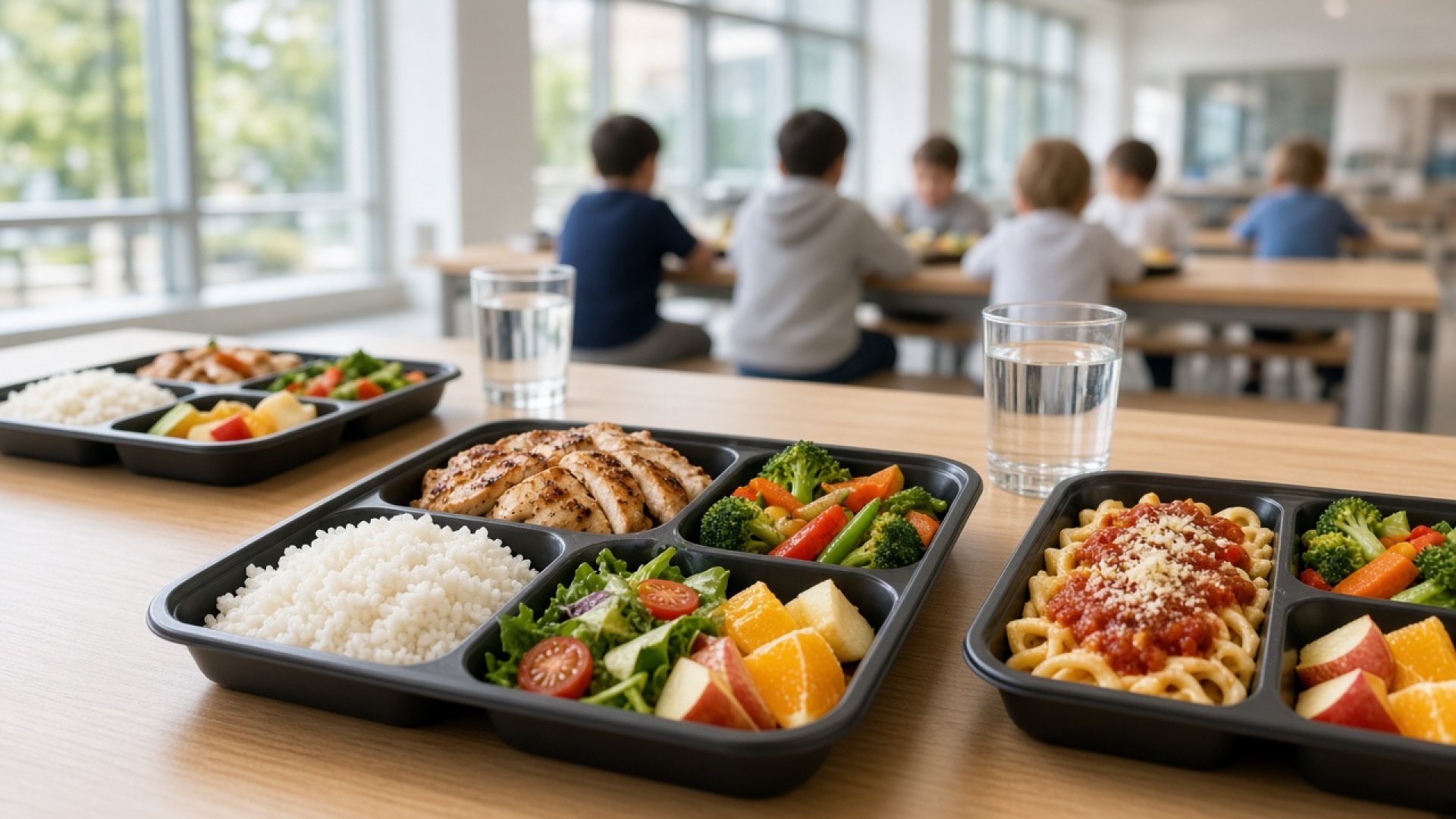
Key takeaways
- A workable international school lunch menu runs on a multi-week cycle, balances Thai and international dishes, and labels allergens, halal and vegetarian options clearly.
- Portion guidance by age group and any special diets should follow advice from doctors, dietitians or the school nurse, together with what parents have declared.
- This is general guidance for school business managers, procurement teams and administrators who oversee school lunches or are reviewing a vendor's menu proposal.
Planning an international school lunch menu is about more than taste. The people eating are children from many countries and age groups, with religious and allergy-related restrictions, and their parents want to know what they eat each day. When the menu is unclear, the usual results are a lot of plate waste, a steady stream of parent questions and confusion about allergens. This article covers menu cycles, mixing Thai and international food, labelling, communicating with parents, collecting student feedback and reviewing a vendor's menu proposal. It is general guidance, not individual medical or nutrition advice.
How is an international school lunch menu different from a regular canteen menu?
The diners are children of different ages and cultures, so the school carries more responsibility towards parents than a staff canteen does: ingredient information, dietary restrictions and consistent quality all matter more.
In a staff canteen, adults choose their own food and know their own restrictions. In a school, young children may not read labels yet or may not know what they are allergic to. The menu therefore has to work together with a care system: a list of students with restrictions, separate trays where needed, and teachers or assistants supervising lunch. For a wider comparison, see how canteen management differs for factories, hospitals and international schools.
How many weeks should a school lunch menu cycle run?
Many schools use a cycle of about three to four weeks and review it each term. That is long enough to avoid feeling repetitive and short enough for the kitchen to control ingredients and quality.
- Set a daily structure: for example a protein main, a vegetable dish, rice or another starch, fruit and a vegetarian option, so every day is complete without starting from scratch.
- Rotate core ingredients: alternate chicken, fish, pork, beef, eggs and plant proteins in line with school policy, avoiding the same main ingredient several days in a row.
- Allow for seasons and festivals: adjust fruit and vegetables by season and add special dishes for cultural days.
- Keep backup dishes: prepare substitutes for when an ingredient is unavailable, and tell parents when the published menu changes.
The rotation logic is similar to planning a rotating staff menu, but schools should add an ingredient-information check every time a dish changes.
How do you balance Thai and international dishes so children actually eat?
Offer a mix of familiar and new food in a proportion the school agrees with, tone down strong flavours, and introduce dishes from other cultures gradually.
Students at international schools come from many countries. Some are used to rice with Thai side dishes; others are used to pasta, bread or food from other parts of Asia. A practical approach is to alternate mild Thai days, Western days and Asian days within the cycle, and to keep a few basics available every day, such as steamed rice, blanched vegetables or fruit.
- Reduce chilli heat and serve chilli or dipping sauces on the side.
- Name each dish in both Thai and English on the menu.
- When adding a new dish, serve it alongside something familiar.
- Cut back on sugar, fat and salt in line with school guidelines; see ideas in a healthier canteen menu with less sugar, fat and salt.
How should portions differ by age group?
Separate serving sizes at least by early years, primary and secondary. A dietitian or the school nurse should set the guidance, and the vendor then turns it into the ladles and containers used on the line.
Young children usually eat less and need small, soft, easy-to-pick-up pieces, while secondary students often need more food and want to choose for themselves. One serving size for the whole school tends to leave younger children with waste and older students still hungry. Common practice is to use separate containers and utensils by year group, allow second servings of rice or vegetables, and record how much each group leaves. What suits an individual student should follow advice from a doctor, dietitian or the school nurse.
How should allergens, halal and vegetarian dishes be labelled on the menu?
Use one set of symbols and explanations on the menu sent to parents, the signs on the serving line and the kitchen documents, so everyone reads the same information.
- A clear legend: state which symbol means the dish contains nuts, milk, egg, wheat or seafood, and which marks vegetarian or halal dishes.
- Back-of-house ingredient records: the kitchen should keep an ingredient list for every dish, including sauces and seasonings, so questions can be answered straight away.
- When an ingredient or brand changes: update the information before serving and inform the staff who look after students with restrictions.
- Students with restrictions: rely on parent declarations and advice from the doctor or school nurse; the kitchen should not decide on its own.
Halal should cover sourcing, utensils and preparation areas, not just leaving out pork. Read more in halal and vegetarian options in a canteen, and the basics of allergy handling in schools in our international school canteen outsourcing guide.

How should the school communicate the lunch menu to parents?
Publish the menu in advance, weekly or monthly, through the channels parents already use, with a symbol legend and a clear contact for questions.
- Make the menu bilingual and keep the same layout every time.
- Share it on the school website, the communication app or the newsletter, whichever the school already uses.
- State that the menu may change and explain how changes will be announced.
- Name one person or team to answer ingredient questions, so information stays consistent.
- Provide a form for parents to declare or update their child's allergies and dietary needs.
How can schools gather student feedback and reduce food waste?
Use two sources together: what students say and how much of each dish is actually left over, then adjust the cycle for the next term.
Younger children can give feedback by picking a smiley face after lunch, while older students can answer a short survey or speak through the student council. See how to design questions in our canteen satisfaction survey guide. On the kitchen side, record which dishes come back most, how much was prepared against how many students actually ate, and which days had trips or events, so production can be adjusted. More ideas are in our canteen food waste management guide.
How should you review a vendor's menu proposal?
Check whether the proposal shows the full cycle, allergen information, special diet options, portion guidance by age and a feedback process, rather than judging it on attractive food photos alone.
- A complete cycle for every week, plus backup dishes for ingredient shortages.
- Ingredient and allergen information for every dish, and a process for updating it.
- How halal, vegetarian and allergy-aware meals are prepared, including separate utensils.
- Proposed container sizes or portions by year group, open to adjustment on expert advice.
- Daily food safety routines, such as those in our canteen daily food safety checklist.
- A plan for feedback, waste records and regular menu reviews with the school.
- A tasting session with teachers, parents or student representatives before deciding.
If you are preparing tender documents, see the TOR and KPI structure in our canteen management outsourcing guide.
International school lunch menu checklist
- Define the daily lunch structure and a multi-week cycle.
- Alternate Thai, Western and Asian dishes, with basics every day.
- Set serving sizes by year group following the experts the school appoints.
- Use one legend for allergens, halal and vegetarian dishes across all documents.
- Keep a list of students with dietary restrictions, updated from parents and the nurse.
- Publish a bilingual menu in advance and name who answers questions.
- Collect student feedback and record plate waste regularly.
- Review the menu with the vendor every term.
Frequently asked questions about international school lunch menus
How many weeks should an international school lunch menu cycle be?
Many schools use about three to four weeks and review the cycle each term. This keeps students from getting bored while letting the kitchen control ingredients and allergen information.
What share of Thai and international dishes should the menu have?
There is no fixed ratio; it depends on the student mix, school policy and student feedback. A common approach is to alternate days of each style within the cycle and keep basics most children will eat every day.
Who should decide meals for students with food allergies?
Decisions should be based on parent declarations and advice from a doctor, dietitian or the school nurse. The vendor prepares meals to those requirements and provides complete ingredient information.
How far ahead should parents receive the menu?
Most schools share it weekly or monthly. What matters is sharing it consistently, with a symbol legend, and telling parents promptly when a dish or ingredient changes.
How can I contact the TJ FAVOR GROUP team?
Call 063-878-8169 / 087-746-0044 / 096-949-6622, message LINE @tjfavor, or see other channels on our contact page.
Talk with TJ FAVOR GROUP about menus and canteens
TJ FAVOR GROUP is a Bangkok-based canteen management and catering company with more than seven years of experience, running canteens and monthly staff meals, with a twenty-four-hour hotline. If your school is reviewing its lunch menu or canteen model, our team is happy to listen to your requirements and discuss possible approaches. For school events such as open days, sports days or parent meetings, our event catering has no extra service charge, includes tableware and equipment, and usually needs two days' notice.
- LINE: Chat with TJ FAVOR on LINE (@tjfavor)
- Phone: 063-878-8169 / 087-746-0044 / 096-949-6622
- Website: tjfavor.com
Learn more on our canteen management service page, event catering service page, about us, or contact the team.