Factory Housekeeping in Rayong: Planning Cleaning Rounds Around Every Shift, Zone by Zone
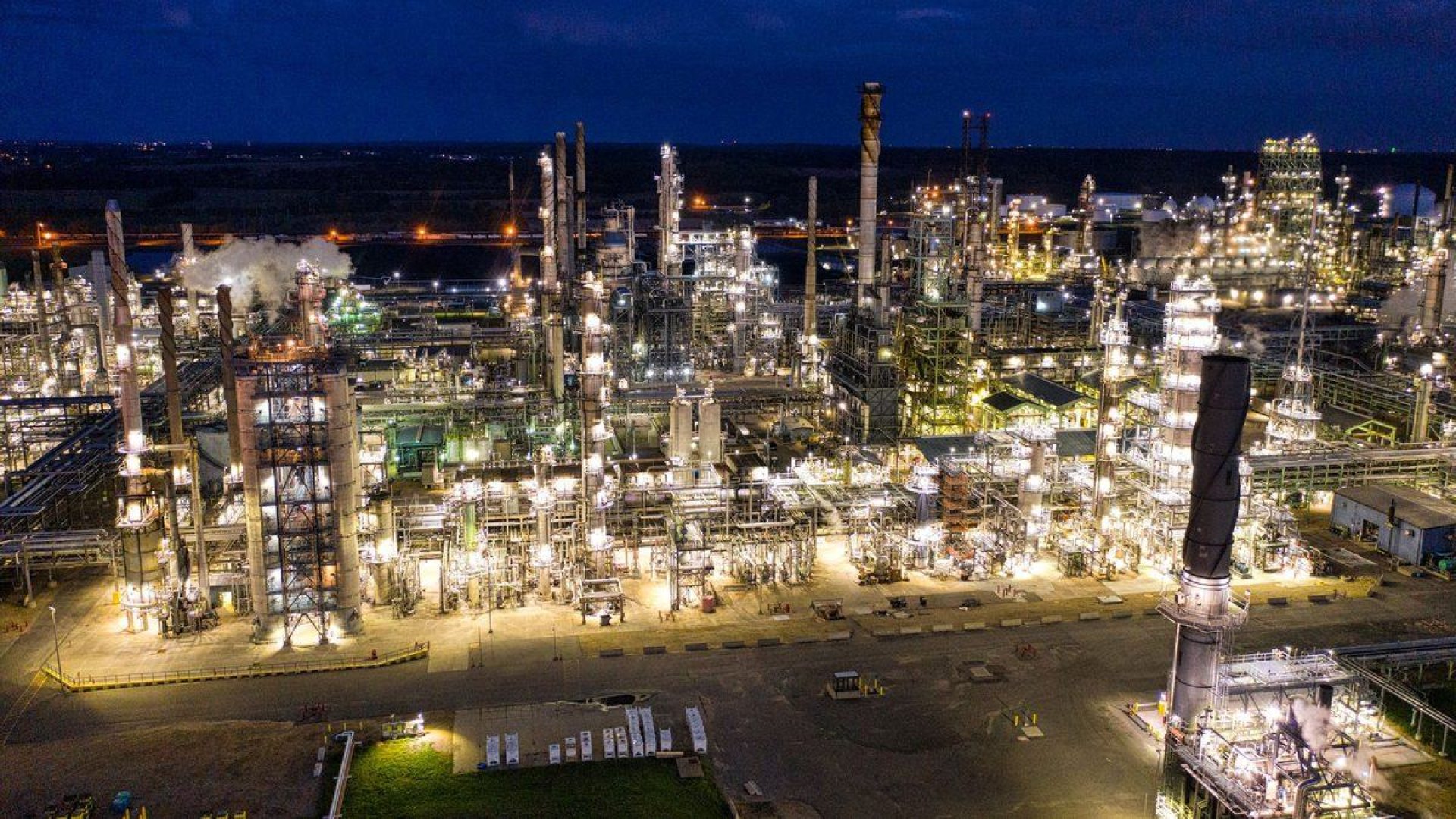
Anyone who runs a large plant in Rayong knows the busiest moment is the shift change. Several staff buses pull into the yard at once, the outgoing shift is showering and changing, the incoming shift is waiting at the lockers, and there is a queue outside the washroom by the entrance. If the cleaner finished that washroom an hour earlier, it is as if nobody cleaned it at all. This article is for HR, admin, procurement and facility managers at factories with a thousand or more employees who are planning or reviewing factory housekeeping in Rayong. It focuses on the one thing that most often goes wrong: matching cleaning rounds to the shift pattern and to the kind of estate the plant sits in.
We work inside factory fences every day through our canteen management work, and we run a factory housekeeping service in Rayong alongside it. What follows comes from the shop floor, not from a mopping manual.
Short answer
Many Rayong factories run several shifts, so a housekeeping plan that works is built around shift changes and meal breaks, not around the cleaners' own start time. Start with the zone and the industry, because the Map Ta Phut petrochemical zone and the Pluak Daeng automotive zone have very different site rules. Then put more people on at shift change, get relief staff inducted in advance, and have the supervisor check work against the real shift pattern.
How is factory housekeeping in Rayong different from a factory in the city?
The rhythm is different. Most plants in Rayong's estates are heavy industry or large production lines running continuous shifts, so washrooms, locker rooms and canteens are hit hard in waves around shift changes rather than evenly through the day like an office building. Safety rules are the other difference. Chemical plants have zones contractors can only enter with a permit or an escort, so cleaners need to know their boundaries from day one.
The estate information in this article was checked against the Industrial Estate Authority of Thailand (IEAT) website and the developers' own sites. Broadly there are three zones.
- Map Ta Phut, Mueang Rayong district, for example Map Ta Phut Industrial Estate, WHA Eastern Industrial Estate (Map Ta Phut), Padaeng Industrial Estate and RIL Industrial Estate. The developer describes this area as home to the petrochemical and chemical cluster.
- Pluak Daeng, for example Eastern Seaboard Industrial Estate (Rayong), WHA Eastern Seaboard Industrial Estate and Amata City Rayong Industrial Estate. The main clusters are automotive and parts, electronics, plastics and metals.
- Ban Khai and Nikhom Phatthana, for example WHA Industrial Estate Rayong in Ban Khai district, which focuses on next-generation automotive, automation and logistics.
One caution: part of Amata City Rayong lies in Bowin, Si Racha, which is in Chonburi province. Check the factory address on its registration documents before signing, because some contract terms follow the province, such as the minimum wage, which the Wage Committee announces province by province. If your plant is in that estate, see the detailed plan in Factory housekeeping in Amata City Rayong: the first thirty days.
How should housekeeping plans differ between Rayong's zones?
Let the industry drive the plan. Chemical zones need to plan around controlled areas and maintenance shutdowns, automotive and electronics zones around large numbers of people changing shift at once, and growing estates around a headcount that keeps changing. The table summarises what we see often on site; individual plants still vary.
| Zone | Common industries | What the housekeeping plan must also cover |
|---|---|---|
| Map Ta Phut | Petrochemicals, chemicals | No-go zones and permit-only work, cleaning products cleared by the safety officer, and major maintenance shutdowns that bring in many outside contractors, which immediately loads washrooms and the canteen |
| Pluak Daeng | Automotive, parts, electronics, plastics | Large crowds changing shift together, locker rooms and showers packed in waves, oil and dust on walkways near metalworking lines, and a clear scope for gowning rooms in front of clean areas |
| Ban Khai, Nikhom Phatthana | Next-generation automotive, automation, logistics | New buildings and headcount that grows as lines expand; agree in the contract how cleaner numbers go up or down |
How do you plan cleaning rounds so every shift is covered?
Write out the factory's shift timetable first, circle the moments when people arrive and leave together, the meal breaks and the quiet night hours, and only then place cleaners. Do not start from a cleaner headcount and look for things for them to do. You will quickly see which periods leave time for weekly tasks.
| Point in the shift | Areas to focus on | What the supervisor should check |
|---|---|---|
| Before the incoming shift | Entrance washrooms, locker rooms, the walkway from the bus yard | Soap, paper and dry floors before the first bus arrives |
| During the shift | Washrooms inside production buildings on a set round, bins, common walkways | Round logs on washroom doors match the actual rounds |
| Meal breaks | Tables, chairs, handwash points and waste sorting in the canteen | Tables wiped between sittings, so the next group does not sit at wet tables |
| Shift change | Showers, locker rooms, washrooms near the time clocks | Someone stationed there during the rush, not arriving after everyone has left |
| Night shift | Washrooms still in use, washing areas that are too busy to clean by day | A supervisor or coordinator the factory can reach during that shift |
The canteen is where housekeeping and kitchen work overlap most often. If they are run by different contractors, write down who wipes tables, who clears trays and who looks after the food waste point. Many factories put both with one contractor to remove the problem. For the food side, see our canteen management service.

How do staffing and commuting in Rayong affect housekeeping?
A great deal, because cleaners are shift workers too. If their journey does not fit the shift times, they arrive late or leave quickly, and in areas dense with factories workers have plenty of options. Relief cover has to be planned up front, not found after someone calls in sick.
- Cleaners should start before the first staff bus. If they arrive with the workforce, the entrance washrooms will not be ready. For the factory's side of transport, see staff transport in Rayong.
- Relief staff must complete the safety induction in advance, especially in chemical zones. If the relief cleaner has no pass, nobody can cover on the day the regular cleaner is off.
- Wages must not fall below the rate announced for the province. Rates can change with new announcements, so HR should check the Wage Committee's latest notification and ask the contractor for proof of social security contributions.
- Long holidays send many people home at once. If the plant keeps running, agree the staffing plan for that period in advance.
What do Rayong factories most often get wrong when planning housekeeping?
The most common mistake is sizing the cleaning team by floor area alone, when the real workload depends on headcount per shift and the timing of shift changes.
- Using an office-style schedule in a multi-shift plant. Cleaners work the day shift only, so night-shift washrooms go unchecked until morning.
- Treating all washrooms the same. Washrooms next to the line and those in the office wing get the same round, although the number of users is very different.
- Not agreeing cleaning products with the safety team. The contractor brings in products without safety data sheets, and once that is found they have to stop using them.
- Forgetting shutdowns and production peaks. When outside contractors or overtime crews arrive, washrooms and the canteen take the extra load at once. Agree how to request extra cleaners temporarily beforehand.
- Letting cleaners take on out-of-scope work such as cleaning machinery, work at height or chemical areas. These need a separate discussion after the site survey, not an instruction on the spot.
- Nobody inspecting by shift. The supervisor only checks in daytime, so night-shift problems surface as complaints.
What should you prepare before a contractor's site survey?
Prepare the real shift timetable, headcount per shift, building plans showing washrooms, locker rooms and the canteen, and the list of zones contractors may not enter. With the same brief, the quotes you receive can actually be compared. Past cleanliness complaints are a useful bonus.
How can TJ FAVOR GROUP help factories in Rayong?
We provide on-site cleaning teams with a supervisor who checks their work on a set schedule, relief staff built into the staffing plan for days when a cleaner is absent, and a dedicated on-site supervisor for large or multi-shift sites. The cleaners are our employees, paid as the law requires with social security contributions filed, and we can show the evidence to your HR team. On working hours, we can cover every shift your factory sets (please ask).
We start with a site survey, then send a zone-by-zone schedule with an itemised quote. Once the service starts, a monthly report covers inspection results, relief cover and open issues. We serve Bangkok, Nonthaburi, Pathum Thani, Samut Prakan, Chachoengsao, Chonburi and Rayong. If your factory already uses our canteen service, housekeeping can be added under the same contract. See the full scope on our factory housekeeping company page for Rayong and the Eastern region.
Frequently asked questions about factory housekeeping in Rayong
Which Rayong estates does TJ FAVOR GROUP cover for factory housekeeping?
We take on factories across Rayong province, inside and outside industrial estates. Access conditions depend on each factory's and estate's rules, and our team always surveys the site before proposing a service.
If a factory runs several shifts, does it need cleaners on every shift?
Not necessarily in equal numbers. Put more people on at shift changes and meal breaks; the night shift may need fewer, but someone must look after the washrooms still in use. We can cover every shift your factory sets (please ask).
Is there relief cover if a cleaner is absent?
Yes. Relief staff are part of the staffing plan from the start, complete the factory induction in advance, and every replacement is logged in the monthly report.
Can cleaners work in chemical areas or on production lines?
Not as part of the normal scope. Cleaners look after washrooms, locker rooms, the canteen, offices and common areas. Work in controlled areas, on machinery or at height needs a separate discussion after the site survey and must follow the factory's safety rules.
Can housekeeping and the canteen go to one contractor?
Yes. The factory deals with one contractor, the division of work in the canteen becomes clearer, and both services are reviewed in a single monthly meeting.
Related articles
- Factory housekeeping in Amata City Rayong: the first thirty days
- Staff transport in Rayong: what to look for
- Factory canteen management in Rayong and Chonburi
Want us to look at your Rayong site first?
Send a few details on LINE, such as the estate or factory location, headcount per shift, number of buildings and the areas you want covered. We will book a site survey and send an itemised quote.
Chat with TJ Favor on LINE Call 063-878-8169
LINE: @tjfavor · Tel 063-878-8169 / 087-746-0044 / 096-949-6622 (phone hours Monday–Friday 9:00–18:00)