Factory Housekeeping in Amata City Rayong: Your First 30 Days, from Site Survey to Review
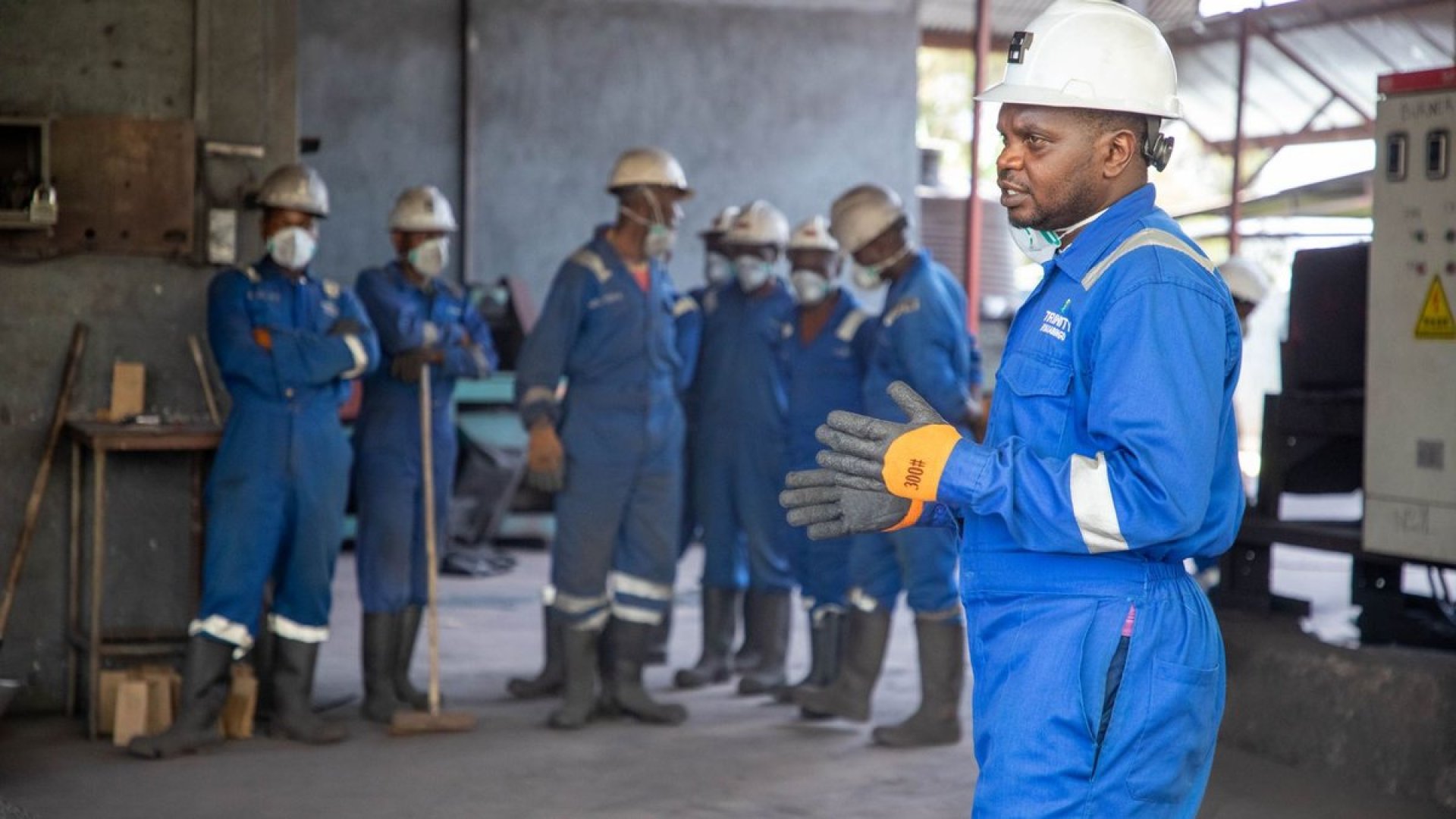
It is the first Monday of a new contract. The cleaning team reaches the factory gate before the morning shift, but their contractor passes are not ready, and two names on the list sent to the safety office are misspelled. By the time they get in, the washrooms next to the production line have already been through the first break. The problem is not the cleaners' skill. Nobody planned the changeover. This guide is for HR, admin and procurement teams at factories starting factory housekeeping in Amata City Rayong, or switching from an existing contractor. It is a plan for the first thirty days, from before day one to the first review meeting.
We write from inside factory gates, where we work every day through canteen management, and we run a factory housekeeping service alongside it. So this is about what to agree before day one, not how to mop a floor.
Short answer
Split the first thirty days of factory housekeeping in Amata City Rayong into four stages: before the start (joint site survey, contractor passes, safety induction, and handover from the outgoing contractor), week one (the supervisor on site every day, adjusting rounds to real break times), weeks two and three (lock the zone schedule, test relief cover, check the night shift), and day thirty (review checklist results and the complaint log, then agree the measures used for the rest of the contract).
What kind of estate is Amata City Rayong, and why does it matter for housekeeping?
Amata City Rayong Industrial Estate sits in Map Yang Phon subdistrict, Pluak Daeng district, Rayong, with part of the estate across the border in Bo Win, Si Racha, Chonburi. According to the Industrial Estate Authority of Thailand, the developer is Amata City Rayong Co., Ltd., and the estate has a general industrial zone, a free zone, and a residential and commercial area. Amata's own website lists its main industry clusters as iron, steel and metals, rubber and plastics, chemicals, automotive, electronics, consumer goods, and food.
That matters for housekeeping in three ways.
- The type of plant sets the rules on the floor. Auto-parts and metalworking plants often have oil and metal dust on walkways. Chemical plants have no-go zones and require the safety data sheet to be read before any cleaning product is used. Food plants have hygiene rules for production areas that are far stricter than an office. A housekeeping plan copied from the factory next door will not fit.
- Which province your plant is registered in. Because the estate spans two provinces, check the address on your factory's registration documents. Some contract terms follow the province, for example the minimum wage, which is announced province by province.
- Plants in the free zone. Before cleaning products and equipment are brought in, ask the team that handles customs formalities at your plant how they must be recorded.
Before the start: what must be done before the first cleaner walks through the gate?
Four things should be finished before day one: a joint site survey, names and documents for contractor passes, the factory safety induction, and handover from any outgoing contractor. Allow at least two weeks, because pass procedures at many plants do not finish in a day.
Walk the site together, do not just send a form
Someone from admin and the factory safety officer should join the survey. On the walk, note:
- The number of washrooms, locker rooms, shower rooms and canteens in each building
- Shift start, break and changeover times for each line, because washrooms and the canteen get crowded then
- Zones cleaners may not enter, zones they may enter only with an escort, and the clothing or protective equipment each zone needs
- Where cleaning supplies are stored, water points, and the factory's waste separation points
- Which cleaning products the factory allows, and which surfaces must not get certain products
Passes and safety induction
Ask the safety office for its document list on survey day, and have the contractor send names in advance, relief staff included. Many plants require every contractor to complete an induction before entering. If relief staff have not done it, nobody can cover on the day a regular cleaner is off. This is where factories slip most often.
Switching from an outgoing contractor: what should be handed over?
Do not leave a gap day between the old contract and the new one. If possible, have the new team walk the site with the old team before the last day, and write the handover down.
| Handover item | Why ask for it |
|---|---|
| Keys, cards and store-room codes | Avoids a first day locked out of the supply room |
| Remaining consumables and cleaning products | Shows what belongs to the factory, what belongs to the old contractor, and what to order |
| A list of damaged equipment | Records condition from the start, so there is no argument later |
| Past checklists and complaint records | Shows repeat problems, such as which building's washroom often smells |
The same logic applies when changing canteen operators. For a more detailed list, see our canteen provider transition checklist.

Week one: what should the supervisor do every day?
In week one the supervisor should be on site every day, walk the site with admin once a day, and adjust cleaning rounds to the factory's real break times. The schedule on paper rarely matches the floor. Lines do not all break at once, so the washroom near the canteen stays busy longer than expected.
By the end of week one you should see:
- Every cleaner knows their zone, the fire exits, and who to report incidents to
- Washroom rounds are signed with real times, not signed in bulk at the end of the day. For touch points and round planning, see our washroom hygiene article
- Canteen tables are wiped between breaks, not once after the last break
- One reporting channel that everyone knows
This week, write down everything that does not meet expectations, then sort it into what training will fix and what needs a scope change.
Weeks two and three: lock the schedule and test relief cover
This is when daily firefighting turns into a zone schedule that lasts for the whole contract. The schedule should show daily, weekly and monthly tasks for each zone, who is responsible, and which checklist is used. If the plant runs several shifts, keep day and night schedules separate.
Test relief cover now too. Agree with the contractor that, on one day this week, a relief cleaner will actually work a shift, so you can see that they have done the induction, hold a pass, and can follow the schedule without a full day of retraining. If it does not work on a normal day, it will not work when someone is really off.
If the plant has a night shift, someone from admin should visit at night at least once in this period. Nobody from the office sees it, and washrooms and locker rooms tend to be left longer than on the day shift.
Day thirty: what should the first review meeting cover?
Base the first review on checklist results, the relief cover log and the complaint log, then agree the measures to use every month from now on. If the review runs on impressions, everyone in the room will answer differently.
A suggested agenda:
- Checklist results by zone: which zones pass consistently and which fail often
- All complaints, split into resolved and those that need the factory's help, such as a leaking pipe or a broken exhaust fan
- Leave and relief cover in month one: was any zone left without a cleaner on any day?
- Out-of-scope tasks that keep being requested: add them to the scope or not
- The monthly report format going forward
Which jobs belong to housekeeping, and which do not?
Factory housekeeping covers common areas such as offices, washrooms, locker rooms, the canteen, walkways and the grounds around buildings. It does not include cleaning machines or production lines. Work that needs special equipment or permits, such as work at height, cleanrooms or septic tanks, is outside the normal scope. If you need it, discuss it separately and write down clearly who is responsible.
Put this line in the contract from the start. Otherwise tasks creep in until core work like washroom rounds starts to slip. For a detailed daily-to-monthly scope, see our article on office housekeeper duties.
What documents should HR ask a housekeeping contractor for?
At a minimum, ask for evidence that the cleaners are the contractor's employees, are paid as the law requires, and have social security contributions filed. Write into the contract that the factory may review this evidence on an agreed schedule. Also ask for the list of cleaning products to be used, with their safety data sheets, so your safety officer can check them before they come on site.
For more complex labour-law questions, ask your company's legal team or the Department of Labour Protection and Welfare directly.
How can TJ FAVOR GROUP help in the first thirty days?
In TJ FAVOR GROUP's factory housekeeping service, every cleaner is our employee. We survey the site first, then send a zone schedule with an itemised quote. Every cleaner completes the factory's safety induction before day one, relief staff are in the staffing plan from the start, large or multi-shift sites can have a dedicated on-site supervisor, and results are summarised in a monthly report.
We serve Rayong, as well as Bangkok, Nonthaburi, Pathum Thani, Samut Prakan, Chachoengsao and Chonburi. If your plant already uses our canteen service, housekeeping can sit with the same contractor. Read about canteen work in this area in factory canteen management in Rayong and Chonburi.
Frequently asked questions about factory housekeeping in Amata City Rayong
How much lead time does factory housekeeping in Amata City Rayong need?
Allow at least two weeks before the start date for the site survey, contractor passes and safety induction. The real time depends on each factory's procedures.
How do we avoid a gap when switching housekeeping contractors mid-contract?
Have the new team walk the site with the old team before the old contract's last day, put the handover of keys, stock and damaged equipment in writing, and make sure the new team's passes are ready before the start date.
Do factory cleaners need safety training before entering the site?
Usually yes, under each factory's own rules, and relief staff should be included. Otherwise relief staff cannot enter the site.
Can housekeeping staff clean machines or production lines?
Not within the normal scope. Housekeeping covers common areas such as washrooms, the canteen, offices and walkways. Machines, cleanrooms and work at height are discussed separately after the site survey.
If a cleaner is on leave, is there relief cover?
Yes. We build relief staff into the staffing plan from the start, have them complete the factory induction in advance, and record every relief assignment in the monthly report.
Related articles
- Office housekeeper duties: daily to monthly scope
- Office washroom hygiene vs toilet cleaning
- Canteen provider transition checklist
- Factory canteen management in Rayong and Chonburi
Want us to look at your site first?
Send a few details on LINE, such as headcount, number of buildings, shift pattern and the areas you want covered. We will book a site survey and send an itemised quote.
Chat with TJ Favor on LINE Call 063-878-8169
LINE: @tjfavor · Tel 063-878-8169 / 087-746-0044 / 096-949-6622


