Professional Cafeteria Management for Employee Welfare
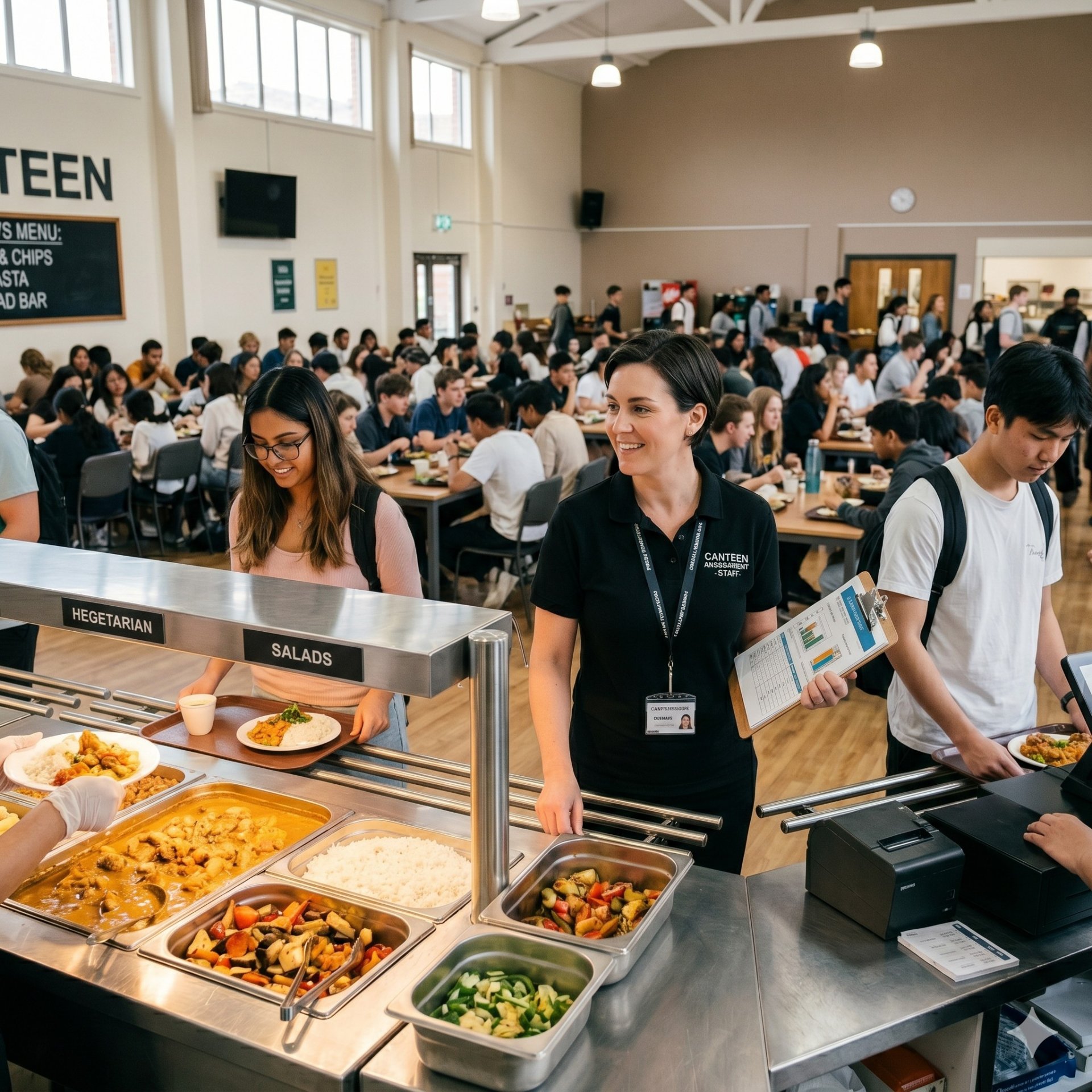
Managing cafeterias and employee welfare is a crucial aspect that should not be overlooked, as it directly impacts the health and satisfaction of employees across various organizations, whether offices, factories, schools, or hotels. Providing quality and appropriate lunch menus tailored to each customer group not only energizes employees but also reflects the organization's genuine care for employee welfare. This article aims to guide managers and cafeteria supervisors on systematic cafeteria management—from menu planning, kitchen team management, food delivery, to employee welfare care—along with best practice examples and precautions to ensure your cafeteria management is highly effective.
The Importance of Cafeteria Management
Imagine a well-managed cafeteria offering fresh, clean food that meets the needs of different employee groups. This not only ensures employees receive essential nutrients but also fosters a positive workplace atmosphere. Efficient cafeteria management reduces health risks such as food poisoning or illnesses caused by unhygienic food consumption, leading to healthier employees and significantly lower absenteeism.
Moreover, good cafeteria management enhances the organization's image in the eyes of employees and visitors. When employees feel well cared for through food welfare, they develop stronger loyalty and motivation, which are key drivers for the organization's steady progress.
Planning Appropriate Lunch Menus for Different Customer Groups
Menu planning is not simple; it requires considering the unique needs and characteristics of each customer group to deliver menus that are most suitable and satisfactory.
Office
For offices, menus should focus on easy-to-eat, quick, and highly nutritious meals, such as those rich in quality protein, fresh fruits and vegetables, and appropriate carbohydrates. This helps employees maintain concentration and energy throughout the day. Frequent and varied menu changes help reduce boredom and stimulate employee interest.
Factory
Factory work often demands heavy labor and high energy. Menus should therefore emphasize high-energy and balanced meals, including foods rich in protein and carbohydrates, as well as fats in suitable amounts to meet physical needs. Additionally, menus should include items that help body recovery, such as foods rich in vitamins and minerals, to promote strength and refreshment.
School
For children, menus must be complete and age-appropriate, including foods high in calcium, vitamins, and iron to support full growth and development. Safety and cleanliness are paramount, along with avoiding foods that may trigger allergies to prevent unexpected health issues.
Hotel
Hotels require diverse and carefully prepared menus to impress both customers and employees. Attention to nutritional balance and food presentation is essential. Special menus should also be available for those with dietary restrictions, such as vegetarian options, allergy-friendly meals, or health-focused dishes to accommodate diverse needs.
Rotating menus and considering nutritional balance—protein, carbohydrates, fats, and fresh fruits and vegetables—make menus appealing and fully meet health requirements. Using seasonal ingredients also enhances freshness and reduces costs.
Effective Kitchen Team Management and Food Delivery
The kitchen team is the heart of food quality and safety. Team members should be knowledgeable and skilled in cooking and hygiene. Regular training on food safety standards and contamination prevention is essential to ensure that the food delivered to customers is safe and of high quality.
Food delivery must have clear and efficient systems, such as timely delivery, appropriate packaging to maintain food quality and temperature, and quality checks before delivery to ensure customers receive the best food.
For example, in large factories, food delivery should be divided into rounds using temperature-controlled vehicles to prevent spoilage and maintain quality. Implementing technology like delivery time tracking and quality recording enhances reliability and management efficiency. Additionally, efficient route planning significantly reduces time and costs.
Supporting Employee Welfare through Quality Food Provision
Good and appropriate lunches are a vital part of employee welfare that promotes health and happiness at work. Organizations should prioritize providing diverse, nutritious meals that genuinely meet employee needs. Supplying quality food not only improves employee health but also reduces absenteeism and boosts work performance.
Gathering employee feedback through satisfaction surveys or food welfare committees helps organizations understand needs and improve services accurately. Open communication channels also enable rapid identification of issues and requirements.
Encouraging employee participation in menu selection or health promotion activities, such as nutrition workshops or supporting healthy eating, fosters loyalty and satisfaction with organizational welfare. These activities also create a positive work environment and promote a health-conscious organizational culture.
Best Practices and Precautions in Cafeteria Management
- Plan menus in advance and continuously evaluate to ensure variety and suitability to actual needs. Evaluation helps organizations improve menus precisely.
- Use fresh ingredients with safety standards to prevent health issues and enhance food quality. Choosing good ingredients builds trust among employees and customers.
- Regularly train staff on hygiene and food management to raise awareness of safety importance and reduce preparation errors.
- Implement quality control and cleanliness checks at every stage—from ingredient storage, cooking, to delivery. Strict inspections maintain standards and prevent health problems.
- Handle and transport food properly to avoid contamination and preserve quality. Appropriate packaging and temperature control systems are essential.
- Promote food waste reduction and sustainable resource use such as waste sorting and eco-friendly packaging. Sustainable management reduces costs and enhances the organization's image.
- Listen and respond to customer and employee needs regularly to develop and improve services continuously. Effective communication channels help organizations adapt quickly.
To enhance engagement and understanding, consider using the following images:
- Menu planning diagrams showing menu rotation and nutritional balance
- Photos of kitchen staff in hygienic uniforms demonstrating professionalism and safety awareness
- Images of standardized food delivery, such as proper packaging and temperature control systems
- Examples of lunch menus suitable for each customer group, showcasing variety and careful preparation
Summary
Systematic and efficient cafeteria management is key to promoting employee health and satisfaction across various organizations. Appropriate menu planning tailored to each customer group, quality kitchen team management, effective food delivery, and welfare care through quality food provision all contribute to a positive and sustainable work environment.
Organizations that manage cafeterias effectively will benefit from healthier, happier, and more productive employees, which are critical factors driving long-term organizational success and stability.
For more information on cafeteria management and employee welfare, visit the Department of Health, Ministry of Public Health website, which offers guidance on food safety standards and proper nutrition Department of Health, Ministry of Public Health, or explore reliable resources on employee welfare management such as the Society for Human Resource Management (SHRM) to enhance knowledge and best practices for your organization.
