Effective Canteen Management for Better Health
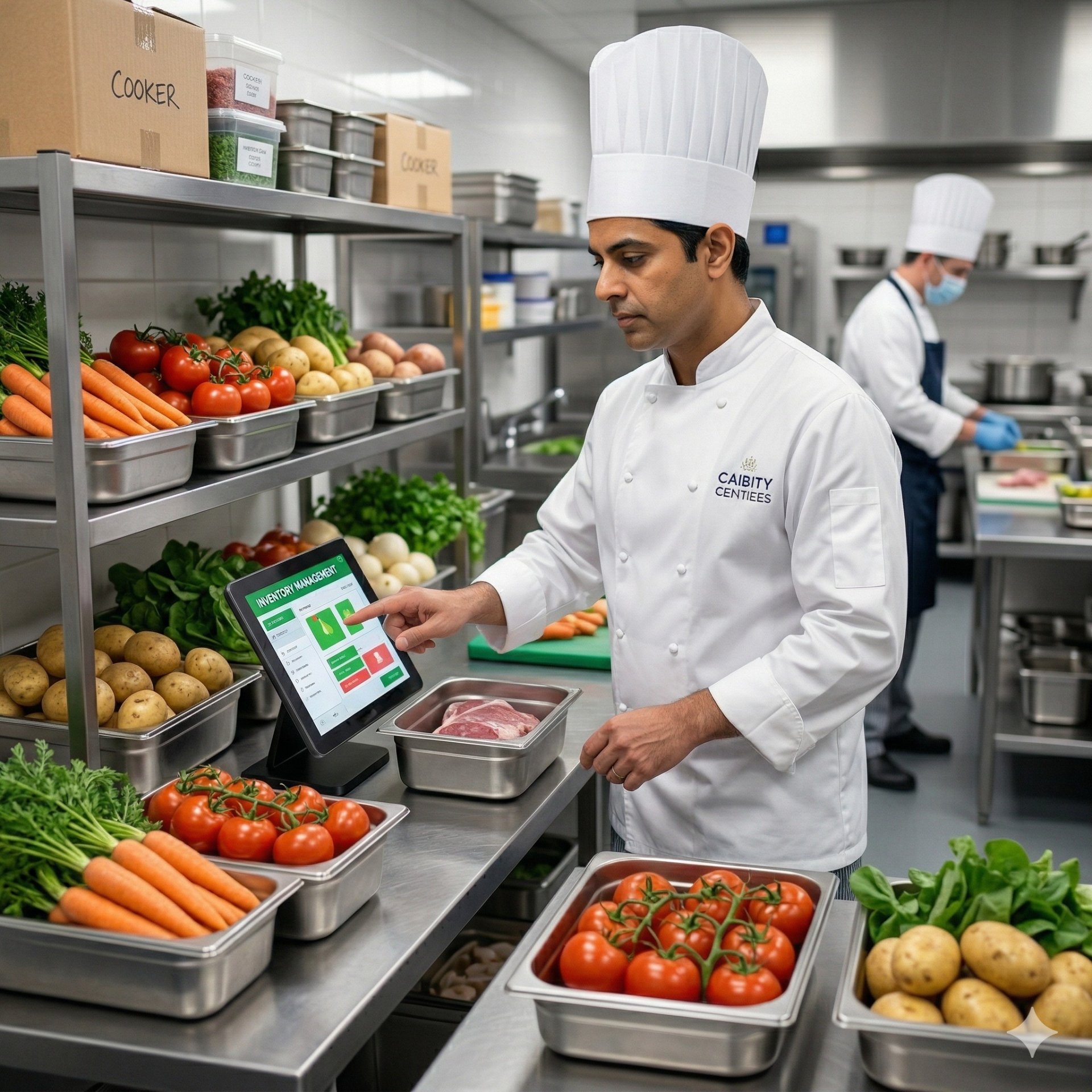
Managing canteens in factories, offices, and educational institutions is crucial because a canteen is not just a place to eat but also impacts the health, satisfaction, and productivity of employees or students. Effective canteen management is key to creating a positive environment and promoting health within organizations. This article will guide you through systematic canteen management, covering its importance, planning steps, hygiene maintenance, cost management, and best practice examples to help managers and caretakers optimize canteen operations for maximum benefit.
Canteen Management: The Importance of Efficient Canteen Operations
A well-managed canteen plays a vital role in delivering safe and nutritious food to users, whether factory workers, office staff, or students. Quality food not only supports health but also significantly reduces risks of nutrition-related diseases such as obesity, diabetes, and heart disease.
Imagine a clean canteen with diverse menus tailored to user needs, which boosts satisfaction and encourages everyone to enjoy their meals fully. This positively affects long-term work or study performance. Moreover, good management helps prevent hygiene issues like food contamination and controls pests that could cause illness.
Another often overlooked aspect is proper cost management, which enables organizations to control budgets and minimize waste effectively. This contributes to sustainability and continuous improvement of the canteen system.
Systematic Planning and Management Steps for Canteens
Effective canteen management starts with comprehensive planning covering all aspects. The main steps include:
1. Analyzing User Needs for Targeted Canteen Management
Understanding user needs is essential, such as assessing the number of users at different times, canteen opening hours, and consumption patterns. This helps allocate resources appropriately and reduce waste.
2. Planning a Diverse and Nutritionally Balanced Menu to Promote Health
Menus should be varied and nutritionally balanced to support users’ health, including appropriate portions of vegetables, fruits, proteins, and carbohydrates. Special menus should be prepared for those with dietary restrictions, such as allergies or specific nutritional needs.
3. Allocating Space and Equipment Suitable for Canteen Services
Layout and equipment should facilitate smooth service and user movement, with designated zones for food pickup and dining to prevent crowding and enhance comfort. Consideration of traffic flow and equipment accessibility is important.
4. Establishing Efficient Procurement and Storage Systems
Managing ingredients is key to controlling costs and maintaining food quality. Procurement should focus on reliable suppliers offering quality at reasonable prices, and storage must ensure hygienic conditions to prevent spoilage and contamination.
5. Training Staff on Service and Hygiene for Safety
Canteen staff should be trained on service standards, hygiene, and proper food handling to perform effectively and safely. Raising hygiene awareness helps reduce the risk of disease transmission.
Hygiene Maintenance in Canteens: Essential Practices
Hygiene directly affects food safety and user health. Important practices include:
1. Strict Cleaning of Premises and Equipment
Regular and proper cleaning of canteen areas, tables, chairs, and food preparation and serving equipment reduces germs and dirt buildup, increasing user confidence and comfort.
2. Inspecting Ingredient and Food Quality
Thorough inspection of ingredients before use and prepared food ensures no contamination or spoilage, preventing health issues.
3. Controlling Food Storage Temperatures for Safety
Maintaining appropriate temperatures—hot foods kept sufficiently warm and cold foods refrigerated properly—prevents harmful microbial growth, preserving food quality and safety.
4. Promoting Handwashing and Good Hygiene Habits Among Staff and Users
Encouraging handwashing before meals and after restroom use is a simple yet highly effective way to prevent disease spread. Cultivating this habit reduces infection risks significantly.
5. Strict Compliance with Food Safety Standards
Canteens should adhere to legal and food safety standards, such as holding valid food service licenses and undergoing regular inspections by relevant authorities to ensure food quality and safety.
Cost Management in Canteens: Effective Cost Control Methods
Cost control is vital for sustainable and efficient canteen operations. Consider the following approaches:
1. Controlling Ingredient Usage and Minimizing Waste
Careful planning of ingredient use and proper waste management reduce costs and improve operational efficiency. Regular monitoring and evaluation of ingredient consumption are essential.
2. Negotiating Prices with Suppliers to Save Expenses
Selecting quality suppliers and negotiating ingredient prices help lower costs and increase canteen profitability. Building good supplier relationships is important.
3. Planning Food Production According to User Numbers
Accurate estimation of food quantities needed reduces leftover waste and better controls costs. Using data from user demand analysis improves planning accuracy.
4. Utilizing Technology for Management, such as POS Systems
Implementing modern restaurant management systems like POS helps track sales, control inventory, and analyze data to enhance operations. These technologies reduce errors and simplify management.
5. Continuous Evaluation and Improvement
Regularly monitoring performance and analyzing data enables ongoing improvements in canteen management. Gathering feedback from users and staff is part of continuous development.
Best Practice Examples for Managing Canteens in Factories, Offices, and Educational Institutions
To illustrate, here are some best practices applicable to canteens in factories, offices, and schools:
- Offer healthy and diverse menus, such as fresh vegetables, fruits, vegetarian options, or weight-loss menus, to meet varied user needs.
- Promote food waste reduction programs and use eco-friendly materials, like distributing surplus food to those in need and using biodegradable packaging to lessen environmental impact.
- Organize nutrition awareness activities, such as training or seminars on healthy eating, to raise awareness and encourage good dietary habits.
- Ensure food safety standards certification, such as HACCP or GMP, to build trust in food quality and safety.
- Use advanced management systems, like online ordering or inventory management, to enhance operational efficiency and reduce errors.
Summary Recommendations for Effective Canteen Management
Effective canteen management balances nutrition, hygiene, and cost control, starting with thorough planning and strict hygiene maintenance alongside efficient cost management.
Adopting best practices and modern technology boosts sustainable canteen management, creating a positive dining environment and promoting the health of employees or students across organizations.
With efficient canteen management, organizations can sustainably enhance user satisfaction and health while strengthening their reputation and operational stability with confidence and high effectiveness.
Further Reading

